Is It Safe To Swim In Cenotes?
A grounded answer to the cenote swimming safety question, covering real risks, guide requirements, rules, and which cenote types suit which swimmers.
Is It Safe To Swim In Cenotes?
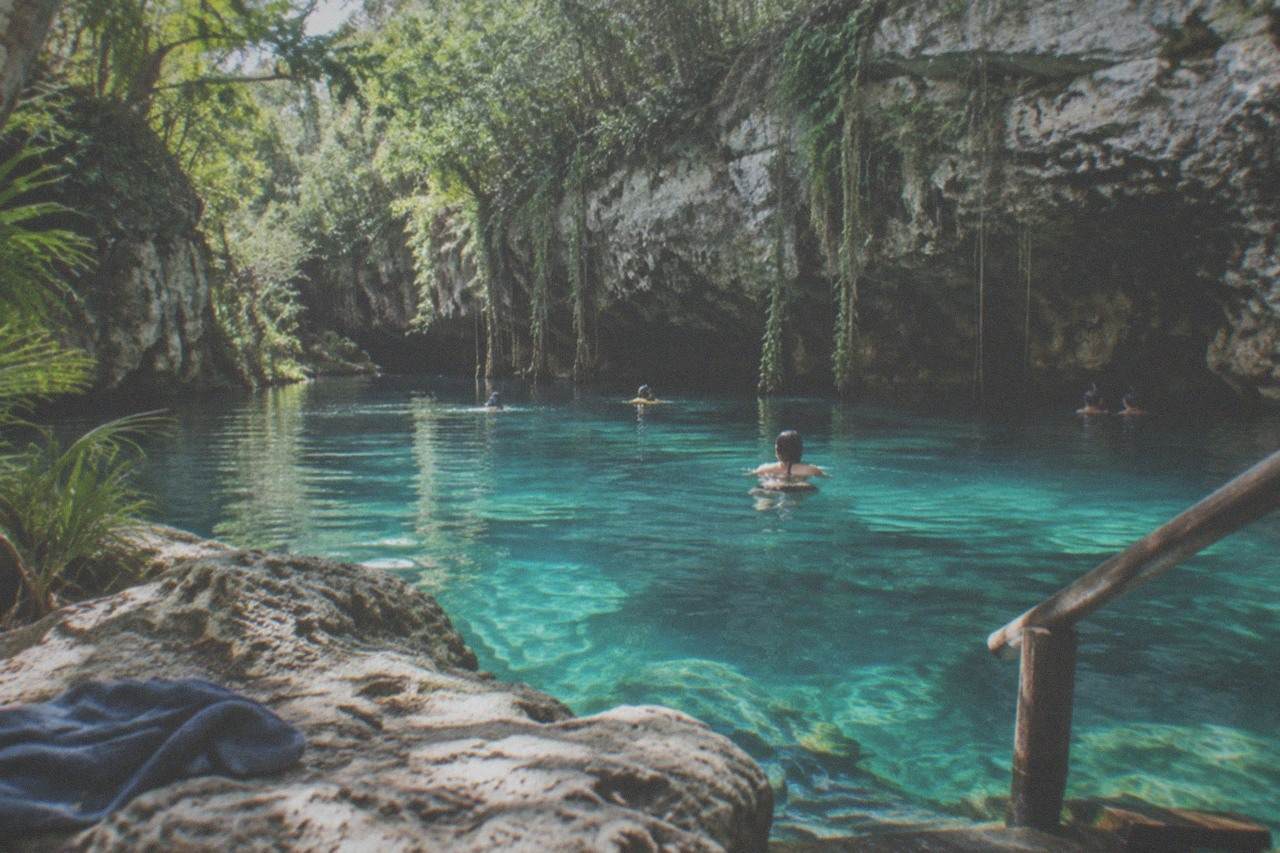
Yes, swimming in cenotes is safe for the great majority of visitors, and it is one of the most popular activities across the Riviera Maya. The water is typically calm, current free, and spring fed. The real risks are narrow and manageable: cold water below the surface layer, depth in open cenotes, overhead environments in caverns, and ignoring the posted rules that exist precisely because those first three factors are invisible from the deck.
The cenotes of the Riviera Maya are flooded limestone sinkholes and cave systems, and the water in them is some of the clearest you will ever swim in. Visibility in sites like Dos Ojos regularly runs to tens of meters, which is a safety advantage in itself: you can see the walls, the depth, and the other swimmers. There is no surf, no rip current, and no boat traffic. Compared with the open Caribbean, where sargassum and waves complicate swimming on many days, a cenote is a controlled environment.
That said, "safe" deserves a real answer rather than a reflexive one. The water in deeper cenotes sits in the mid 70s Fahrenheit year round, which feels startling after the humid heat above ground, and a sudden cold shock can panic an unprepared swimmer. Overhead environments, meaning any section where rock is above your head, are only safe with a certified cavern guide. And the rules posted at managed sites, life vests, showers before entry, no sunscreen, no repellent, are not bureaucratic decoration; they are the accumulated response to real past incidents.
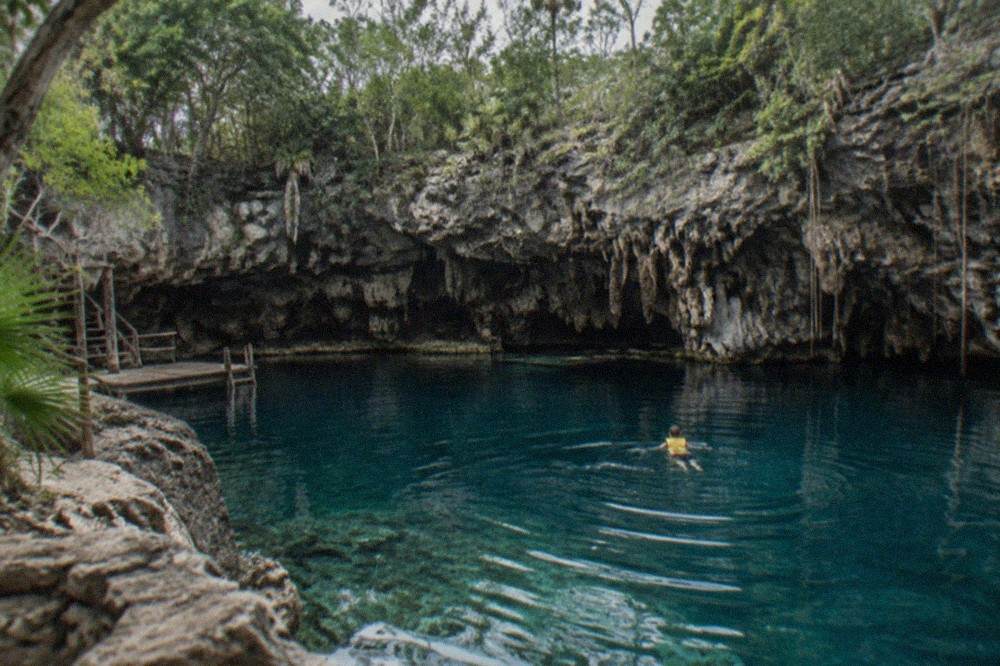
If you are already convinced and shopping, three cenote products stand out on this site's roster for different kinds of visitors. This is the trio worth comparing first.
For everything else, the full cenote tours from Playa del Carmen guide walks the whole catalog site by site.
What Are The Actual Risks?
The honest risk list is short: cold water below the thermocline, depth in open sinkholes, overhead rock in semi cave sections, and crowded entry stairs on busy days. None of these are exotic, and every one is managed by a life vest, a guide, or simple common sense. The two things that genuinely hurt people are swimming into cavern zones without a certified guide, and diving without the right certification for overhead environments.
Cold water deserves the first mention because it surprises people. An open cenote in August has warm air above and noticeably cooler water a meter down. The shock is brief, but a swimmer who gasps underwater can inhale water. The fix is simple: get in gradually, keep your head above the surface for the first minute, and let your body adjust. Sites that rent life jackets, typically around $2 USD at places like Cenote Azul, help here too, because a vested swimmer floats higher and calms down faster.
Depth is the second factor. Open cenotes are often far deeper than they look; the water is so clear that six meters can read as two. Weak swimmers should stay in the designated shallow areas, and most managed sites mark them. The third factor, overhead rock, is where the rules get strict. Any passage where you cannot surface directly to air is a cavern, and caverns are off limits to casual snorkelers by rule rather than by suggestion. Cavern diving at sites like Dos Ojos requires an Open Water certification at minimum plus a guide, and the guides themselves hold Full Cave Diver credentials. This is also why our piece on are there crocodiles in cenotes is worth a read: the animal fears people have are mostly misplaced, and the structural risks are the ones worth your attention.
Here is how the risks map to plain countermeasures.
| Risk | Who it affects | What actually manages it |
|---|---|---|
| Cold water below the surface layer | Everyone, briefly | Gradual entry, keep calm, wear a vest |
| Depth in open cenotes | Weak swimmers, kids | Shallow marked zones, life jacket |
| Overhead cavern passages | Snorkelers, divers | Guide required; certification for divers |
| Crowded stairs and decks at midday | Everyone | Arrive at opening or late afternoon |
| Contaminants (sunscreen, repellent) | The cenote itself | Rinse shower at entry, mineral sunscreen only |
Note what is not on that list: wildlife. The question about crocodiles comes up constantly, and the short version is that the popular managed cenotes near Playa del Carmen do not hold resident crocodiles in their swim zones. If that fear is the one holding you back, read the crocodile piece; it addresses the sightings that do get reported and where they actually happen.
Do You Need A Guide To Swim In A Cenote?
Most open cenotes do not require a guide for recreational swimming, and independent visits are normal at sites like Cenote Azul, Jardin del Eden, and Casa Cenote. Guided entry is mandatory in two situations: any cavern or cave section, where rock overhead makes self rescue impossible, and any operator-run ecopark such as Chaak Tun or Rio Secreto, where the tour is the product. A private guide is optional but valuable for first timers.
The distinction matters because it changes what you pay and what you get. Walk-up swimming at Cenote Azul runs about $7 for an adult plus a couple of dollars for a vest, cash only. A guided package at Kantun-Chi Ecopark starts around $47 for self guided access to four cenotes, and guided cave adventures there run $86 to $108. Neither option is wrong; they are different products. The walk-up swimmer gets water and freedom. The guided guest gets equipment, interpretation, and access to sections that are physically closed to independent visitors.
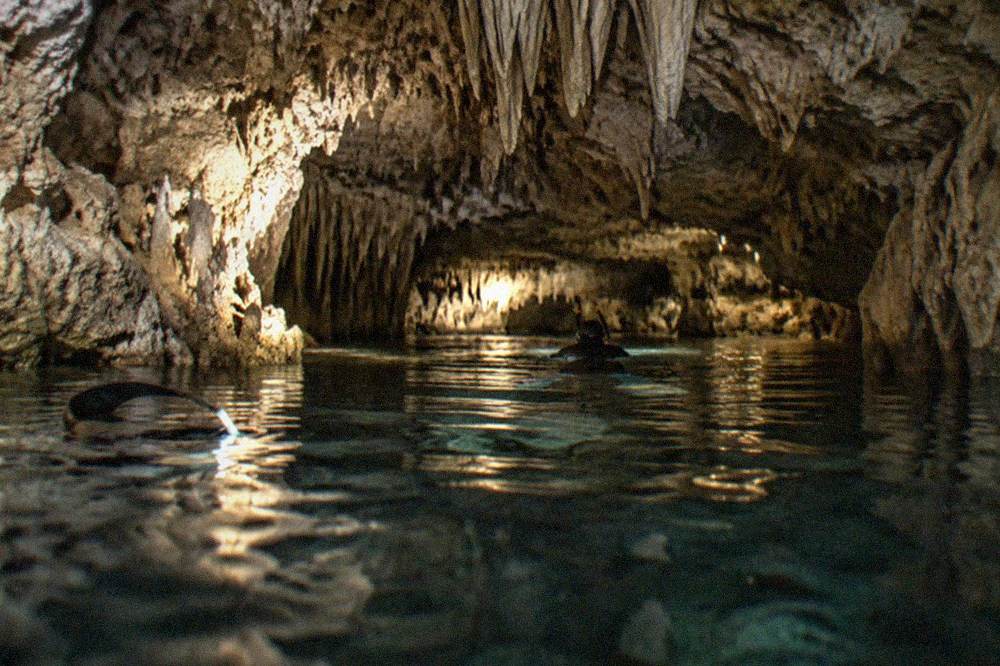
For a first cenote, the case for a guide is strongest at the big dual sites. Dos Ojos, north of Tulum, is the region's most famous example: a snorkeler who arrives independently pays roughly $20 to $24 entry, and the Bat Cave section is reachable only with a guided snorkel tour at around $38. The private option on this site's roster bundles the whole thing.
The Cenote Dos Ojos Private Tour, Snorkeling & Mayan Lunch pairs the cenote with a dedicated guide, gear, and a Mayan lunch after the swim. It carries a 5.0 rating from 132 reviews and starts from $153, which is the premium you pay for having the safety briefing, the route, and the timing handled by someone who swims this cave weekly. If your hesitation about cenote safety is really a hesitation about swimming alone in unfamiliar water, that structure removes it entirely.
For visitors who want the cave experience specifically, Rio Secreto is the roster's other strong answer, a semi dry river cavern where wetsuits, lamps, and a guide are all mandatory by design. It is rated 4.6 from 198 reviews and starts from $119. We come back to it below.
Which Cenote Rules Exist And Why?
The core rules at managed cenotes are a pre-entry shower, no conventional sunscreen or repellent, life jackets in designated zones, and no touching formations or wildlife. These are site specific rather than one statewide law, but they are enforced almost everywhere, and the sunscreen rule in particular protects the water chemistry that makes cenotes clear in the first place. Ignoring them gets refused at the gate.
The sunscreen rule surprises people most, so it deserves the explanation. Conventional sunscreens contain oxybenzone and octinoxate, which contaminate freshwater systems and coral alike; at managed cenotes, marine parks, and other protected sites across Quintana Roo, the standard is mineral or biodegradable sunscreen only, or none at all, with a mandatory rinse shower at entry. This mirrors the marine park rules elsewhere on the coast, including the protected turtle zone at Akumal Bay, where CONANP's official notice sets out the guide, vest, and distance requirements for the same reason. The habit transfers: pack mineral sunscreen for the whole Riviera Maya trip and the rule never inconveniences you.
If you have settled the safety question in your own head and are now choosing how to book, this is the natural moment to do it: the operator's live listing shows current dates and free cancellation terms before you commit. Everything else covered here is indexed on Tours in Playa del Carmen.
Cenote type determines most of the rest. A quick map of the landscape.
| Cenote type | What it looks like | Suited to |
|---|---|---|
| Open | Sunlit sinkhole, shallow edges | Beginners, kids, casual swimmers |
| Semi-open | Partial rock roof, light shafts | Confident swimmers, snorkelers |
| Cavern | Overhead rock, lit passages | Guided visitors only |
| Cave / cavern dive | Full overhead, dark | Certified divers with cavern guide |
Practical planning facts: Cenote Azul is cash only, so bring pesos. Jardin del Eden's Saturday closure, noted above, catches weekend road trippers every week. Dos Ojos's last entry around 3 PM is the more common trap; it is a 40 minute drive from Playa del Carmen, so a leisurely lunch can put you at a closed gate. For the fullest version of this planning layer, see the site's most beautiful cenote in Mexico piece, which covers the standout sites in depth.
Are Cenotes Safe For Kids And Weak Swimmers?
Yes, with the right cenote choice, and this is the group for which the choice matters most. Open, shallow cenotes with rentable life jackets are genuinely family friendly, and sites like Cenote Azul and Casa Cenote fit that profile. Kids' entry fees are typically reduced, around $5 at Azul for ages 4 to 8, and the shallow shelves give non swimmers real water to stand in. Cavern cenotes are the wrong venue for this group.
The mechanics of a good family visit are unglamorous: a vest for each child, a site where the shallow zone is wide and visible from where the adults sit, and an arrival before the tour buses, which generally means before 11 AM. The vest rental is trivial in cost, around 40 to 50 MXN at most sites, and the buoyancy does most of the supervising for you. What you should not do is treat a semi-open cenote with a jumping platform as a swim venue for a nervous seven year old; the crowd energy around jump rocks pushes kids past their real comfort level.
Guided family products exist for exactly this case. The cenotes-private-tour-vip option on the roster is built around it: private transport, a private guide, and a route matched to the group, rated 5.0 from 115 reviews and starting from $225 for the party. That is the shape of cenote visit where a weak swimmer never faces open water alone, because the guide is in the water with them.
When Is Cenote Swimming A Bad Idea?
Weather is the main gatekeeper: heavy rain can muddy visibility and raise water levels in cave systems, and tropical systems can close access roads. Cenotes themselves are inland, so sargassum, the coastal problem that dominates beach planning here, does not touch them at all, which is partly why cenote bookings hold up all summer. Thunderstorm days call for a postponement, and any tour operator will rebook rather than run a cave trip in a storm.
The seasonal picture matters for the coastal half of a Riviera Maya trip more than the inland half. The official NOAA Atlantic hurricane season runs June 1 through November 30, with peak activity August through October, overlapping the regional rainy season of roughly May to October, when afternoon showers are common. What that means in practice is not a washed out summer. It means mornings are usually fine, afternoons are a coin flip, and a cave cenote with an operator watching the radar is a safer bet than a beach day on the same forecast.
This is one of the quiet advantages of cenote tours as a category. In a year when the coast has had heavy sargassum arrivals, the flooded inland systems are unaffected, and water clarity actually holds or improves as rain filters through the limestone. Booking flexibility matters more than the calendar: the operator's live listing will state the cancellation and rebooking terms, and most run weather rebooks rather than cancellations.
How Should You Prepare For A Safe Swim?
The preparation list is short and physical: mineral sunscreen applied before you leave, a towel and dry clothes, cash in pesos for entry and vest rental, water shoes for rocky decks, and arrival before 11 AM or after 3 PM. Bring your own snorkel mask if you have one, since rentals run a few dollars and hygiene standards vary. Nothing on the list is expensive, and every item removes a specific, real annoyance or risk.
Water shoes are the underrated one. Cenote decks and entry stairs are wet limestone, which is slick in a way that surprises visitors used to pool tile. The sites that rent gear, and most do, price masks and vests at a couple of dollars each; at Chaak Tun the full kit including wetsuit, helmet, and lamp is part of the mandatory guided package. Time of day does the rest: the midday window from 11 to 3 concentrates both the crowds and the heat, and an 8 AM arrival gets you calm water, empty decks, and the best light of the day for the semi-open sites.
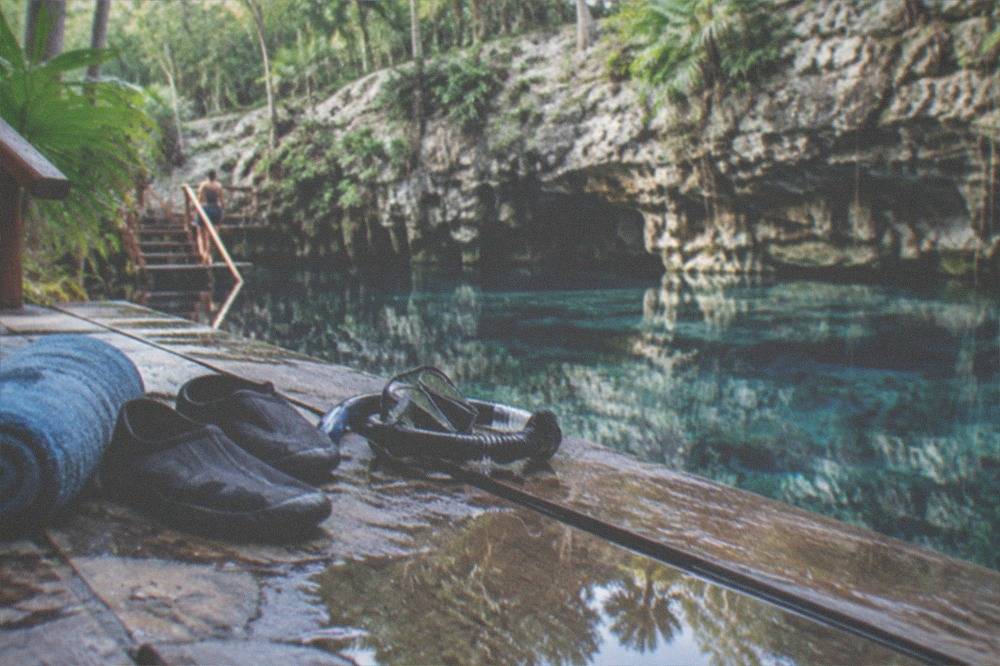
For the cavern experience, Rio Secreto is the product that most rewards being prepared, because the visit is a guided walk and float through a semi flooded river cavern lasting roughly 90 minutes. The Riviera Maya: Rio Secreto Guided Tour is rated 4.6 from 198 reviews and starts from $119, with wetsuit, lamp, and guide included by requirement rather than choice. If the safety question in your head is really "can I do the cave one," this is the tour that answers yes, within a structure designed for it. Check availability
And if the whole question has now resolved toward "yes, but I want the easiest possible first cenote," the comparing table below is the fastest way to finish the decision.
Common Questions About Cenote Safety
Is It Safe To Swim In Cenotes?
Yes, for the great majority of swimmers. The water is calm, spring fed, and current free, and the managed sites post rules that manage the real risks: cold water, depth, and overhead rock. Weak swimmers and children should choose open cenotes with rentable life vests, and everyone should skip any cavern passage unless a certified guide leads it.
Can you drown in a cenote?
Any body of water can drown an unprepared swimmer, and cenotes add depth and cold water to the ordinary risks. The countermeasures are ordinary too: a life jacket, staying in marked shallow zones, and no free diving in cavern sections. Incidents at managed sites are rare and almost always involve rule breaking, especially entering overhead passages without a guide.
Is cenote water clean?
The water is naturally filtered through limestone and is typically crystal clear, which is why the sites look the way they do. The cleanliness depends on visitors: this is the reason for the rinse shower and the ban on conventional sunscreen and repellent at managed sites. Mineral sunscreen and a proper shower keep it that way.
Are there animals in cenotes that can hurt you?
In the managed swim zones around Playa del Carmen, essentially no. Small fish are the usual companions, and the crocodile sightings that make headlines happen in lagoon and mangrove systems, not the roped swim areas. Depth, cold, and rock are the hazards worth managing, not wildlife.
Do you need to know how to swim to visit a cenote?
You need to swim to swim, but you do not need to be a strong swimmer to enjoy one. Life jackets are rentable at most sites for a couple of dollars, shallow shelves at open cenotes let you stand, and guided tours put a trained person in the water with you. Non swimmers enjoy the decks, the light, and the semi dry cave systems like Rio Secreto, where a wetsuit keeps you buoyant.