What Is The Most Beautiful Cenote In Mexico?
The honest answer to which cenote deserves the beauty crown, comparing Dos Ojos, Rio Secreto, Jardin del Eden, Cenote Azul and more, with real entry fees, rules and tour options from Playa del Carmen.
What Is The Most Beautiful Cenote In Mexico?
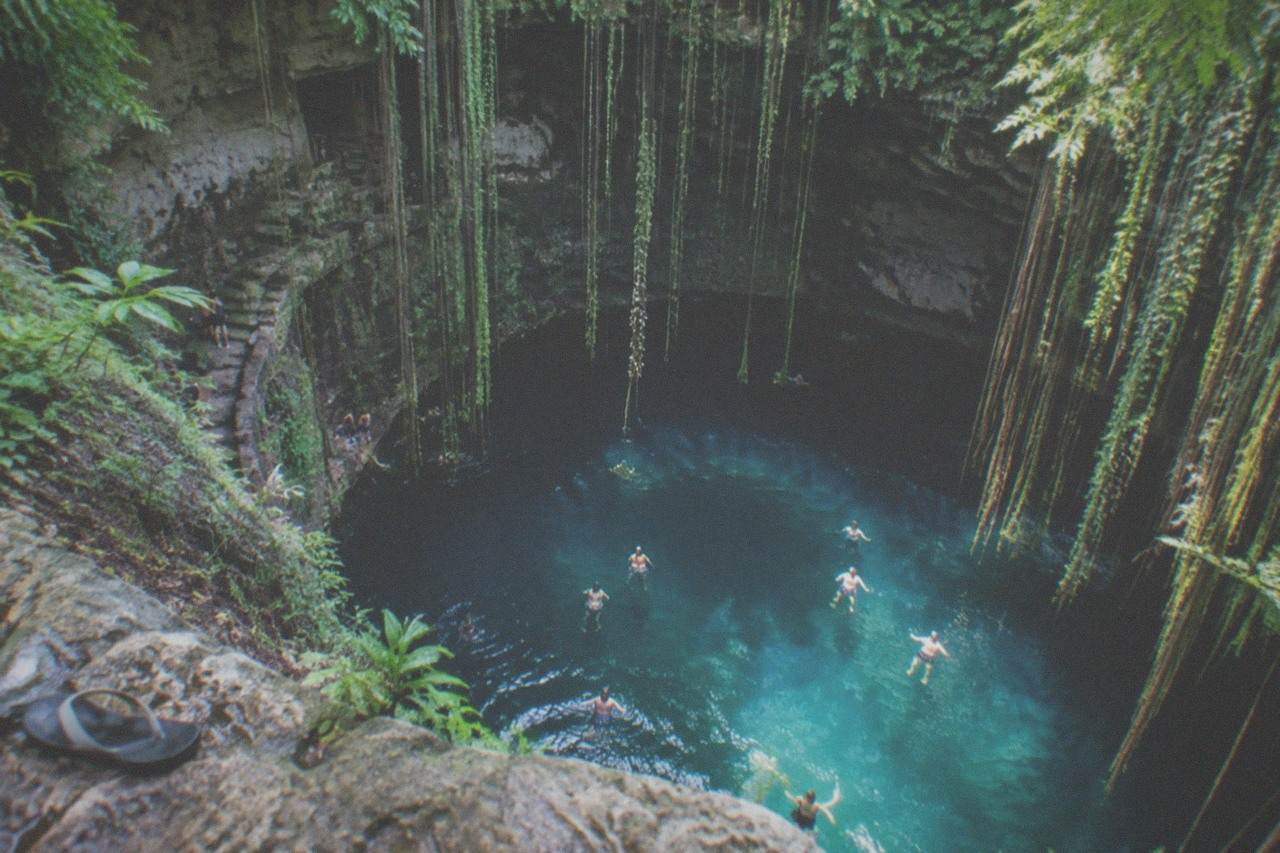
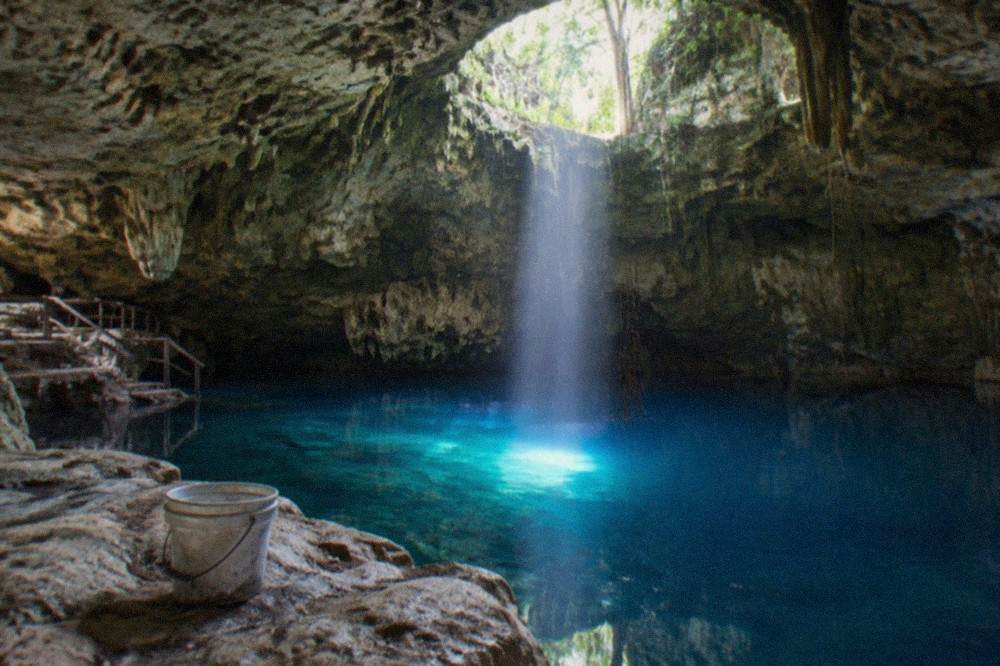
There is no official title, but the name that comes up most often is Cenote Dos Ojos, the twin cave system north of Tulum whose shafts of blue light falling through the jungle canopy make it the most photographed freshwater site in the Yucatan. For pure cave decoration, stalactite-heavy Rio Secreto runs it extremely close. Both sit within easy reach of Playa del Carmen.
Ask ten divers, ten photographers and ten families in the Riviera Maya which cenote is the most beautiful in Mexico and you will get three different answers, because "beautiful" means three different things underground. Photographers chase light: the sunbeams that drop through Dos Ojos' two circular openings and scatter across the water at midday are the single most published cenote image in the country. Cave lovers chase decoration: Rio Secreto's guided route passes nearly a kilometer of stalactites, stalagmites and columns in a still, glassy river, and many visitors leave calling it the most beautiful thing they have seen in Mexico, not just the most beautiful cenote. Families and swimmers usually point somewhere else entirely, to the open jade pools like Cenote Azul or Jardin del Eden, where the beauty is the color of the water against the limestone wall and you can actually swim for an afternoon rather than walk a circuit.
The honest framing is this: if beauty means the postcard, the answer is Dos Ojos. If it means the cathedral, the answer is Rio Secreto. If it means the lazy swimming hole, the answer is an open cenote south of Playa del Carmen. The rest of this article compares them on the things that actually decide your day, entry fees, access rules, swimming versus guided-only access and how far each one is from your hotel.
Both of the leading names are easy day trips. Dos Ojos sits roughly 25 to 40 minutes south of Playa del Carmen toward Tulum, and Rio Secreto sits a similar distance inland. You do not need to base yourself in Tulum to see either one. For a fuller rundown of every swim option within reach of the town, the Tours in Playa del Carmen site maintains a dedicated planning page on cenote tours from Playa del Carmen, which covers group, private and multi-cenote options in one place.
The two guided products that most directly answer this question are below: Rio Secreto for the formations, the private Dos Ojos snorkel for the light, and a multi-cenote VIP tour for people who want to settle the debate by seeing several in a day.
Why Dos Ojos And Rio Secreto Keep Winning The Argument
Dos Ojos wins on light and water clarity: its two connected eyes produce the brightest, bluest underwater scene in the country, which is why its guided snorkel circuit is the default answer for most visitors. Rio Secreto wins on geology, with a guided underground route through stalactite galleries that no open cenote can match. Beauty here genuinely splits along that line.
Dos Ojos, whose name means "two eyes," is a pair of circular sinkholes connected by an extensive cave system that cave divers have mapped for many kilometers. The water is unusually transparent because it filters slowly through the limestone, and the snorkel experience reflects that: you float in the first eye watching the light shafts, then follow a guide line into the Bat Cave section where the ceiling closes overhead and the only light is what your guide carries. The reviews on the live listing reflect how consistently the visuals deliver. A private version, the private Dos Ojos snorkel tour, rates 5.0 from 132 reviews and runs from $153 per person with a Mayan lunch included, which suits travelers who want the cave without a shared group's schedule.
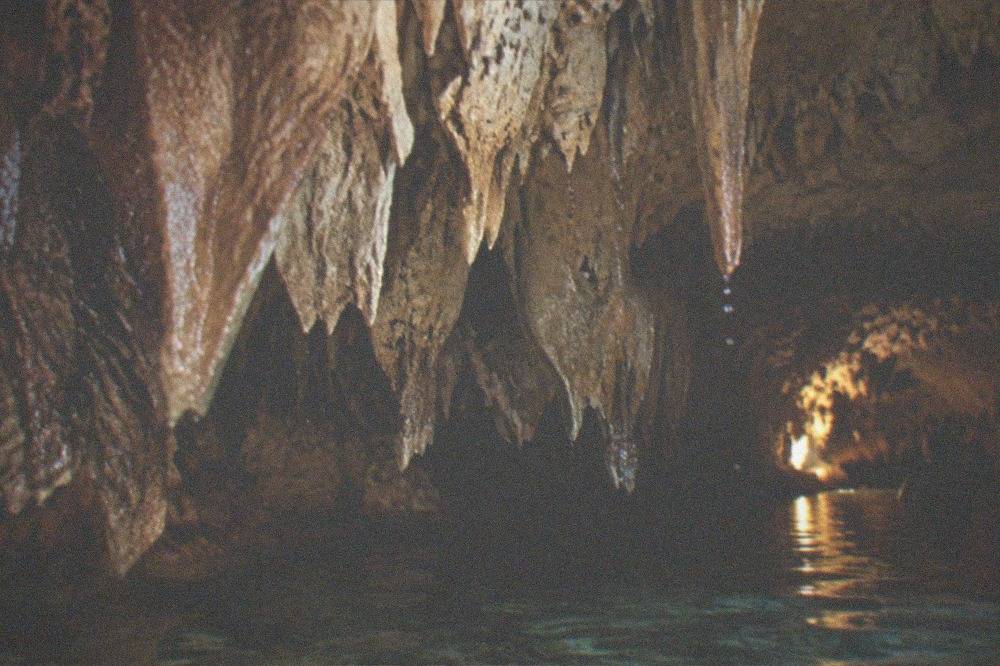
Rio Secreto is a different animal. You walk, wade and float through a natural reserve of caves on a guided route of roughly a kilometer, wearing a wetsuit, helmet and lamp. There are no open sky windows for most of the route, so the beauty is not the blue but the decoration: dense stalactite fields, thin draperies of mineral flowstone, and water so still it reads as air. The tour from Playa del Carmen rates 4.6 from 198 reviews and starts from $119. Guests who book it expecting "a cenote swim" are sometimes surprised by how much of it is walking; guests who want geology call it the highlight of their entire trip.
Between the two, the practical difference matters. At Dos Ojos you are in and on the water, snorkeling, for most of the visit, and free swimming happens around the guided sections. At Rio Secreto you are on a guided route the entire time, with no independent swimming at all. If your mental picture of "beautiful cenote" involves floating on your back in silence, neither of these is the right pick, and the open cenotes in the next section will serve you better. If it involves a photograph you will still be looking at in five years, Dos Ojos is the safer bet.
Is Rio Secreto worth booking over going independent? It is a question worth settling before you commit a vacation day.
How Much Do The Top Cenotes Cost To Enter?
Entry fees at the famous cenotes cluster between roughly $7 and $24 per adult, paid in pesos at the gate: Cenote Azul around $7, Jardin del Eden $10 to $15, Casa Cenote $8 to $9, and Dos Ojos $20 to $24 with a guided circuit around $38. Guided cave parks such as Chaak Tun and Kantun-Chi cost more, roughly $47 to $108, because a guide is mandatory.
The table below pulls the current gate figures together. Treat them as planning ranges and confirm on the day, since cash in Mexican pesos is preferred or required at almost every site, and a few operators add small charges for cameras, life jackets or snorkel gear.
| Cenote | Distance from Playa del Carmen | Adult entry (approx.) | Notes |
|---|---|---|---|
| Cenote Azul | ~25 min south | ~$7 (120 MXN) | Life jacket rental ~$2; cash only; shallow family sections |
| Jardin del Eden | ~25 min south | $10-15 (200-300 MXN) | Closed Saturdays; cliff jumping possible |
| Casa Cenote | ~35-45 min south | $8-9 (150 MXN) | Open mangrove pool; calm, beginner-friendly water |
| Dos Ojos | ~25-40 min south | $20-24 (350-400 MXN) | Guided Bat Cave snorkel ~$38 (700 MXN); last entry mid-afternoon |
| Chaak Tun | ~15 min inland | ~$50 guided | Guided tours only; wetsuit, helmet and lamp included |
| Kantun-Chi | Riviera Maya | from ~$47 (775 MXN) | Self-guided 4-cenote package; guided cave options $86-108 |
Two patterns are worth noticing. First, the open swimming cenotes are the cheap ones: for the price of one Rio Secreto ticket a family of four can swim at Cenote Azul and still pay for lunch. Second, everything involving a cave interior, Dos Ojos' Bat Cave, Chaak Tun, Kantun-Chi's caverns, Rio Secreto, costs meaningfully more because a certified guide is legally part of the experience. Cave passages in this region are protected, and unguided access to decorated caverns is not offered anywhere reputable. A detailed fee and safety breakdown lives in swimming safety at Mexican cenotes, including depth and swimming-ability considerations.
If you are weighing two or three of these in one day, note the geography. Azul, Jardin del Eden and Casa Cenote all sit along the same Highway 307 corridor south of Playa del Carmen, so pairing two of them is realistic. Dos Ojos adds a Tulum detour. Chaak Tun is the opposite direction, inland and close, which makes it the easiest half-day cave trip from town.
Which Cenote Is Best For Swimmers, Snorkelers And Families?
For families and casual swimmers, Cenote Azul and Jardin del Eden are the best picks: open water, shallow edges, life jackets for rent and no guide requirement. For snorkelers, Dos Ojos is unbeatable for clarity and light. Non-swimmers and younger children do best at Casa Cenote, whose shallow mangrove pool is the calmest water of the group.
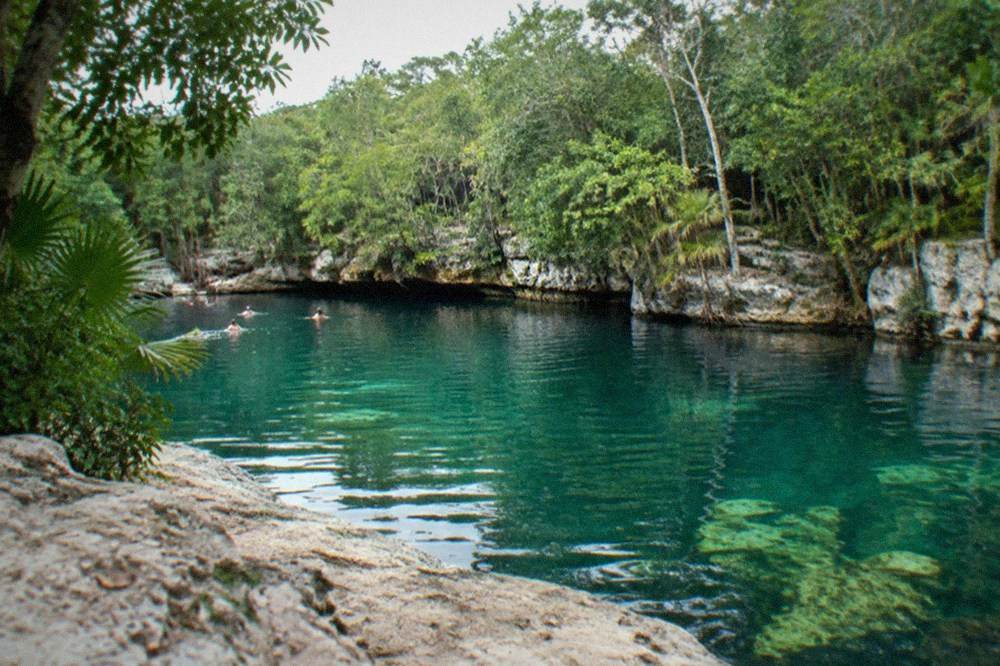
Azul earns its family reputation honestly. One end of the pool is shallow enough to stand in, there is a small fish spa near the edge, and the deep sections are visible from the deck, so nervous parents can watch everything. Jardin del Eden trades a little of that comfort for drama: it is a large open basin with a rock face that older kids and adults jump from, and a walkway that lets you circle the whole pool between swims. Eden's Saturday closure for ecosystem recovery is the one scheduling trap in the bunch, so if it is on your list, plan it for any day but Saturday.
Casa Cenote is the sleeper. It sits in a mangrove clearing, the water is almost flat, and the setting, a jungle channel opening toward the sea, gives it the most varied scenery of the three open cenotes. It is also where introductory scuba sessions often run, which tells you how gentle the conditions are.
For snorkelers, nothing open matches Dos Ojos. The visibility is what the famous photographs promise, and the private snorkel product lets you linger at the light shafts rather than moving with a shared group. Recent guests on that tour consistently describe the water clarity as the highlight of the Riviera Maya leg of their trips, which matches what the geology predicts: water that has filtered through kilometers of limestone arrives with almost nothing suspended in it.
One honest caveat on the private option: the "private" in its title refers to the guide and vehicle, not to the cenote itself. Dos Ojos is a public site and you will share the water with other groups, especially between late morning and mid-afternoon. Early bookings get the calm surface and the strongest light beams, which is the entire aesthetic you came for.
When Should You Visit, And What Rules Actually Change Your Day?
Arrive at opening, between 8 and 9:30 AM at most sites, for the best light, calmest water and thinnest crowds, and visit between November and April for the driest, most reliable conditions. The rules that matter most: conventional sunscreen is refused or requires a rinse-off at managed cenotes, and cash in pesos is required at several gates.
The day-part advice is not just about crowds. At open cenotes the water surface goes mirror-flat in the early morning before swimmers churn it, and at Dos Ojos the light shafts are strongest around midday, so the ideal schedule for a two-stop day is Dos Ojos at midday and an open swim cenote either before it or the following morning. Last entry matters too: Dos Ojos closes its gate to new visitors around 3 PM even though the site runs to 5 PM, and Kantun-Chi cuts off cave access around 4 PM.
The sunscreen rule deserves a full explanation once, because it is the one that regularly disrupts a plan. Most managed cenotes, marine parks and protected sites in Quintana Roo refuse conventional sunscreen at the gate or send you back to the rinse-off shower before entry, because oxybenzone and octinoxate contamination is a documented problem in heavily visited freshwater systems. Mineral, zinc- or titanium-based sunscreen is the accepted standard, and some caves, Kantun-Chi among them, ban sunscreen and insect repellent entirely regardless of type. Bring a long-sleeve rash guard and you sidestep the whole question. The underlying contamination research is summarized in a study of sunscreen discharge in Mexican aquatic parks and sinkholes, which is why the site-level rules exist even without a single statewide law.
Season matters less than people assume for cenotes specifically, which is a quiet advantage over beach days on this coast. Cenote water is groundwater: it does not get sargassum, and hurricane-season rain mostly shows up as a briefly murkier surface layer at open pools rather than a closure. The dry stretch from November to April is still the most comfortable time to be standing on limestone in a wetsuit, and summer afternoons can bring short heavy showers that end a swim for an hour. If your trip lands in the rainy months, book cave interiors like Rio Secreto or Chaak Tun as your rainy-day card; they are unaffected by weather at the surface.
Can You Settle It By Seeing Several In One Day?
Yes, and that is the only real way to settle the beauty debate for yourself. A realistic one-day circuit from Playa del Carmen pairs two or three cenotes along the same corridor, an open pool plus Dos Ojos, or a guided cave plus one swim stop. A private multi-cenote VIP tour from the roster, 5.0 from 115 reviews and from $225, does exactly this with logistics handled.
The geographic luck of the Riviera Maya makes this possible. Half of the headline cenotes sit within a 40-minute drive of Playa del Carmen, and the open swimmers cluster on one highway corridor. A self-drive or colectivo day can take in Cenote Azul and Jardin del Eden back to back, or Casa Cenote plus a Dos Ojos afternoon. The trade-off of independent travel is the cash-only gates, the parking small change, and the fact that you queue behind tour groups if you arrive between 11 AM and 2 PM.
A private tour collapses the logistics. The cenotes private VIP option on the roster moves at your pace, includes the guide whose presence the protected zones require, and lets you weight the day, more swimming, more geology, or a long float in one pool, rather than following a fixed route. For a group of four the per-person math against three independent gate fees plus rental gear plus transport often lands closer than it first looks.
The one itinerary mistake to avoid is trying to combine a full Rio Secreto route with anything else ambitious on the same day. The cave route is a half-day on its own with transport, and the wetsuit walk is more tiring than visitors expect. Pair it with a beach afternoon or a slow dinner in Playa del Carmen, not with a second cenote.
For anyone still undecided, these three options cover the full spread: the cave, the light, and the multi-stop sampler.
Common Questions About Mexico's Cenotes
What Is The Most Beautiful Cenote In Mexico?
Dos Ojos is the most-cited answer for its blue light shafts and water clarity, while Rio Secreto is the strongest counter-answer for its stalactite-filled underground river route. Among open pools, Jardin del Eden and Cenote Azul are the most scenic swimming options near Playa del Carmen.
Can you swim at Dos Ojos without a tour?
Yes, general entry at Dos Ojos is around $20 to $24 and includes snorkeling in the open areas with a life jacket. The Bat Cave section, the decorated cavern most people come for, is a guided circuit at roughly $38, and the gate stops admitting new visitors around mid-afternoon.
Is Rio Secreto worth it if you only visit one cenote?
If cave formations are what draw you to cenotes, yes. Rio Secreto's route passes nearly a kilometer of stalactites, stalagmites and flowstone in a guided underground river, scenery no open cenote offers. It is a walking-heavy tour rather than a swim, so match it to what you actually want from the word beautiful.
Which cenote is best with kids?
Cenote Azul and Casa Cenote. Azul has shallow standing-depth sections and a fish spa at the edge, and Casa Cenote is a nearly flat mangrove pool. Both rent life jackets for a few dollars, both take cash only or prefer it, and neither requires a guide for the open water.
Do you need biodegradable sunscreen at cenotes?
At most managed cenotes, yes, or no sunscreen at all. Conventional sunscreen is commonly refused at the gate or requires a rinse-off shower, and some cave parks ban sunscreen and repellent entirely. A mineral-based sunscreen or a rash guard is the safe standard for the whole region.
How far are the best cenotes from Playa del Carmen?
Closer than most visitors expect. Chaak Tun is about 15 minutes inland, Cenote Azul and Jardin del Eden around 25 minutes south, Dos Ojos 25 to 40 minutes depending on traffic, and Casa Cenote roughly 35 to 45 minutes. Every one of them works as a half-day trip from town.