Free Things To Do In Playa Del Carmen
Playa del Carmen gives away its best assets. The beach, the pedestrian spine of Quinta Avenida, the seafront parks, the ferry-watching pier and even a guided walk through the town's Maya roots all cost nothing, and this guide walks through each one plus the small costs that quietly are not free.
Short answer
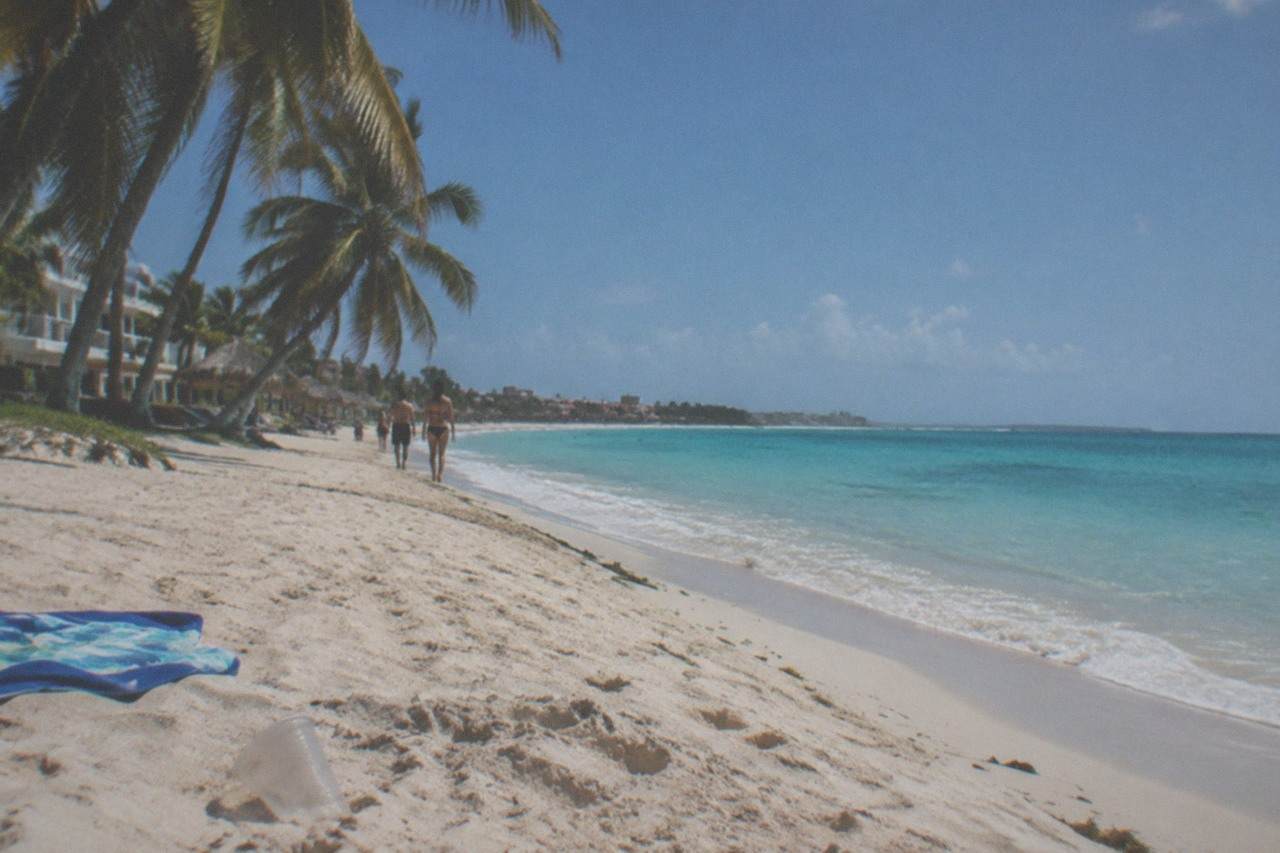
Yes: Playa del Carmen's best free things are the public beach, the walk down Quinta Avenida, Parque Los Fundadores on the seafront, the Playacar coastal paths, and a free one-hour walking tour covering the town's Maya roots. Budget roughly $15 per foreign traveler for the state visitor tax, since that one applies to almost everyone.
Playa del Carmen gives away its best assets for nothing. The beach is public, the pedestrian spine of Quinta Avenida costs nothing to wander, the seafront parks are open to everyone, and a guided one-hour walk through the town's Maya roots runs on a pay-what-you-want basis. For a resort town with a reputation for upselling, the free list is longer than most visitors expect.
What Are The Best Free Things To Do In Playa Del Carmen?
The best free things to do in Playa del Carmen are the public beach, the pedestrian walk down Quinta Avenida, Parque Los Fundadores by the sea, the Playacar coastal paths south of downtown, and a free one-hour walking tour of the town's Maya roots. None of the five requires a ticket, a tour booking, or an entry fee.
Playa del Carmen is compact enough that the free list above can fill two or three days without repeating yourself. The town runs north to south along the shore, so a visitor staying anywhere near the center can walk from the ferry pier to the edge of Playacar in well under an hour. Everything free sits on that one line, which is unusual for a Caribbean destination and worth exploiting.
This page is the free-first companion to the site's broader Tours in Playa del Carmen catalog: everything in the sections below costs nothing, and paid options only appear at the end, for readers who run out of free daylight and want more structure. If you want the complete paid-and-free mix in one place, start with the guide to things to do in Playa del Carmen, which covers the whole spectrum from cenote swims to catamaran days.
One caveat before the list. "Free" in Playa del Carmen almost always means no entry fee, not zero cost of any kind. The state charges foreign visitors a mandatory tax, managed sites charge parking, and even the cenotes that look like wild swimming holes are almost all privately run with entry fees. Those costs are real and covered in a section of their own below, so nothing in the free list comes with a surprise at the gate.
| Free thing | Where | What it costs | Why go |
|---|---|---|---|
| Public beach | Downtown waterfront | Nothing | Swimming, sunsets, people-watching |
| Quinta Avenida walk | Pedestrian street parallel to the shore | Nothing | Street life, window shopping, evening paseo |
| Parque Los Fundadores | Seafront edge of downtown | Nothing | Town history, sea views, a break from the shops |
| Playacar public paths | South of downtown | Nothing | Quiet, green coastal walking |
| Free walking tour | Downtown, one hour | Pay what you want | Maya heritage with a local guide |
Is The Beach In Playa Del Carmen Really Free?
Yes, the beach is free. Mexico's Caribbean coast keeps its shoreline open to the public, and Playa del Carmen's downtown stretch costs nothing to swim, walk, or watch the sunset from. The catch is seasonal: sargassum seaweed peaks between May and October, so the sand is cleanest roughly November through April.
There is no gate, no wristband and no towel fee on the main stretch. The beach runs continuously along the waterfront, and access points cut through from the pedestrian street at regular intervals. The busiest sections sit directly below Quinta Avenida, where the sand is widest and the swim stops closest; the further south you walk toward Playacar, the quieter it gets.
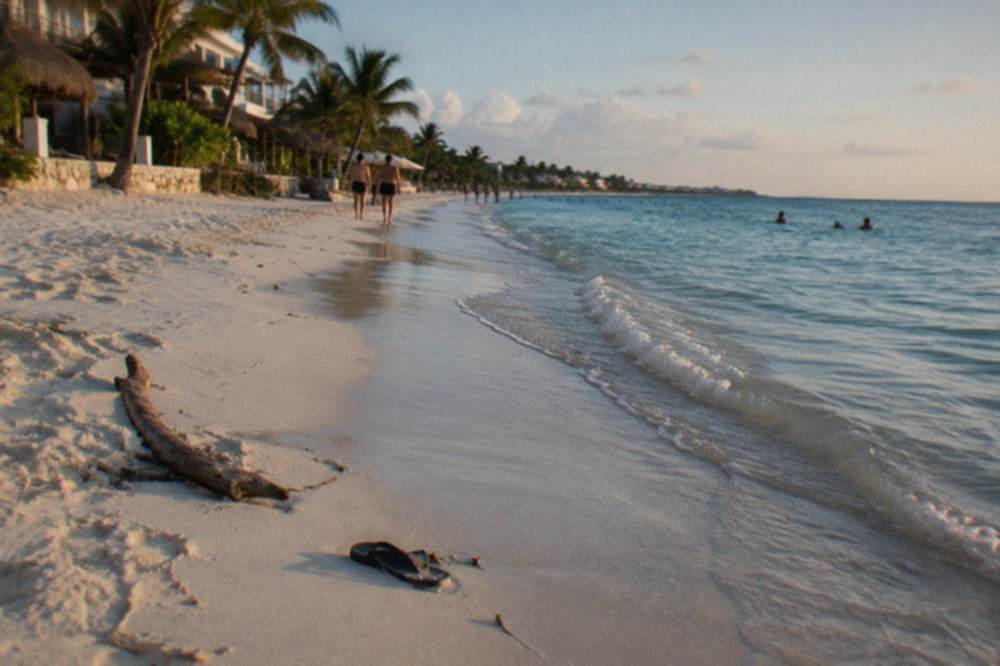
The honest variable is seaweed, not access. Sargassum is a floating brown algae that drifts ashore in seasonal pulses, and it decides whether a free beach day is a postcard or a chore.
Municipal crews and hotel staff clear the sand daily in the affected zones, so conditions change morning to morning. A beach that is thick with weed at 9 AM can be clean by early afternoon. The practical move is simple: check the shoreline at the access point nearest your hotel before committing to a spot, and walk a few hundred meters if the first look disappoints.
| Beach zone | Access | What to expect |
|---|---|---|
| Downtown waterfront | Free public access points from Quinta Avenida | Widest sand, busiest atmosphere, closest swim stops |
| South end toward Playacar | Free via the public paths | Quieter stretch in front of resort frontage |
| Pier area by the ferry terminal | Free, open all day | Ferry watching, sunset viewpoint, the busiest evening walk |
Can You Walk Quinta Avenida And Parque Los Fundadores For Free?
Yes, both are completely free. Quinta Avenida is a public pedestrian street running parallel to the shore, and Parque Los Fundadores sits at its edge on the seafront. You can spend a full day between the two without paying a peso, and window shopping costs nothing until you decide it does.
Quinta Avenida, Fifth Avenue, is the town's pedestrian spine. It runs the length of downtown one block inland from the beach, lined with storefronts, restaurants, bars and craft stalls. The street is public in every sense: no one can charge you for walking it, and it functions as the town's living room, especially in the evening when the paseo crowd comes out and the street performers set up. It is the single best free attraction in Playa del Carmen for the simple reason that it is the town itself.
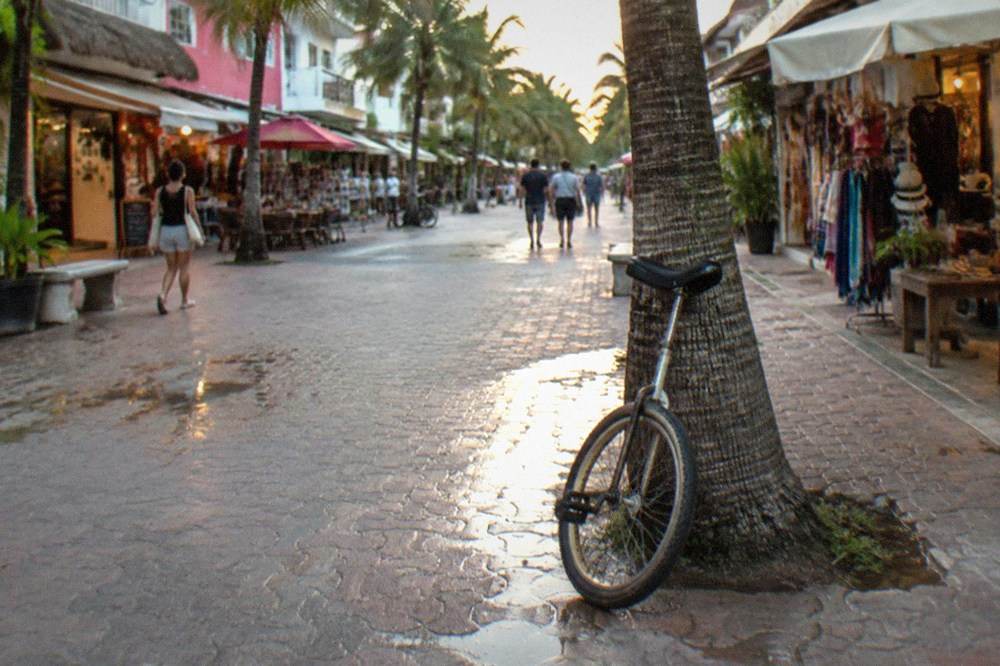
Parque Los Fundadores sits on the seafront at the downtown edge, and it commemorates the founding of the town itself. It is small, shaded and free, and it does double duty as the natural turnaround point of any Quinta Avenida walk and as a place to sit and look at the water without buying anything. Early morning is the quiet time; late afternoon is when the sea breeze makes it the best free seat in the center.
A realistic free day downtown looks like this: walk the length of Quinta Avenida in the morning while the shops are opening and the street is still cool, cut to the park for the sea view, then work back along the beach access points with a swim stop wherever the sand looks good. Repeat the same route after dark and it is a different street, louder and lit up, still costing nothing. Families with a flexible budget often bolt one structured activity onto a day like this, and the three most common picks look like this:
Each of those three is covered honestly in the final section of this guide, with real prices and review counts, so there is no need to decide anything now. The point of the free downtown day is that no decision is required.
Is There A Genuinely Free Walking Tour In Playa Del Carmen?
Yes. A one-hour walking tour called Ancestral Roots By The Sea runs on a pay-what-you-want basis, so it is free to join if you pay nothing at the end. It covers the town's Maya heritage on foot through downtown Playa del Carmen, and the live listing carries the exact meeting point and current schedule.
The tour exists, it is genuinely free in structure, and it is worth singling out because it is distinct from this site's own paid products. Ancestral Roots By The Sea is a one-hour guided walk through downtown that frames the modern tourist town against its Maya roots. The model is the standard pay-what-you-want format: you book a spot, you walk with the guide, and at the end you hand over whatever you think the hour was worth, which can be nothing. Guides work for tips, so most people pay something, but the floor is zero and there is no ticket price.
Logistics live on the live listing rather than in this guide, and that is deliberate. Meeting points, exact start times and group sizes shift with season and demand, and the listing is the only place that reliably carries the current version. Book through the operator's listing, check the meeting point before you go, and arrive a few minutes early.
It is worth being clear about what separates this walk from the paid roster on this site. The free tour is a one-hour downtown orientation with a heritage angle, run by an independent operator. The paid tours on this site are full excursions, transport included, to cenotes, ruins and islands. They solve different problems. A traveler who does the free walk in the morning and then wants an actual excursion in the afternoon has a short leap, and the site's flagship covers it.
Are Playacar's Public Paths Free To Explore?
Yes, the public paths are free to walk. Playacar is the residential and resort district just south of downtown, and its network of walking paths, including stretches along the coast, is open to people who are not staying there. Walkers get a quieter, greener version of the beachfront without a gate fee or a wristband.
Playacar sits directly south of the downtown grid, and its public paths thread through the district's landscaping and along the shore. For a free day it is the counterweight to Quinta Avenida: where the pedestrian street is loud, commercial and busy, the Playacar paths are shaded, green and close to silent in the middle of the day. The walk between the two is short enough that a morning of one and an afternoon of the other is an easy single day.
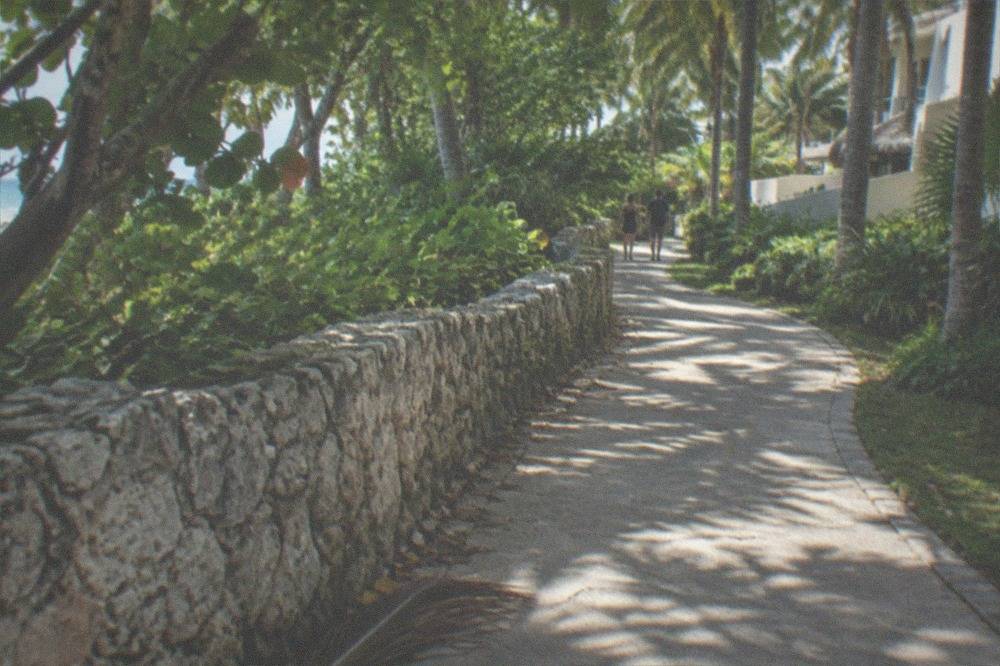
Two practical notes make the walk better. First, go early or go late: the middle of the day is hot on exposed stretches, and the paths are at their best in the first and last hours of daylight. Second, be a guest, not a tourist attraction yourself. The paths run past homes and resort frontage, and the quiet depends on walkers keeping it that way. There is nothing to pay and nothing to book, which is exactly the point.
What Free Sights Sit Within A Cheap Colectivo Ride?
The best free sight within a cheap ride is the downtown pier area, where ferries to Cozumel come and go from early morning to around 10 PM. Colectivos also run down the coast toward Tulum for roughly 50-80 MXN per person, and the highway-side viewpoints and beach entries along the way are free.
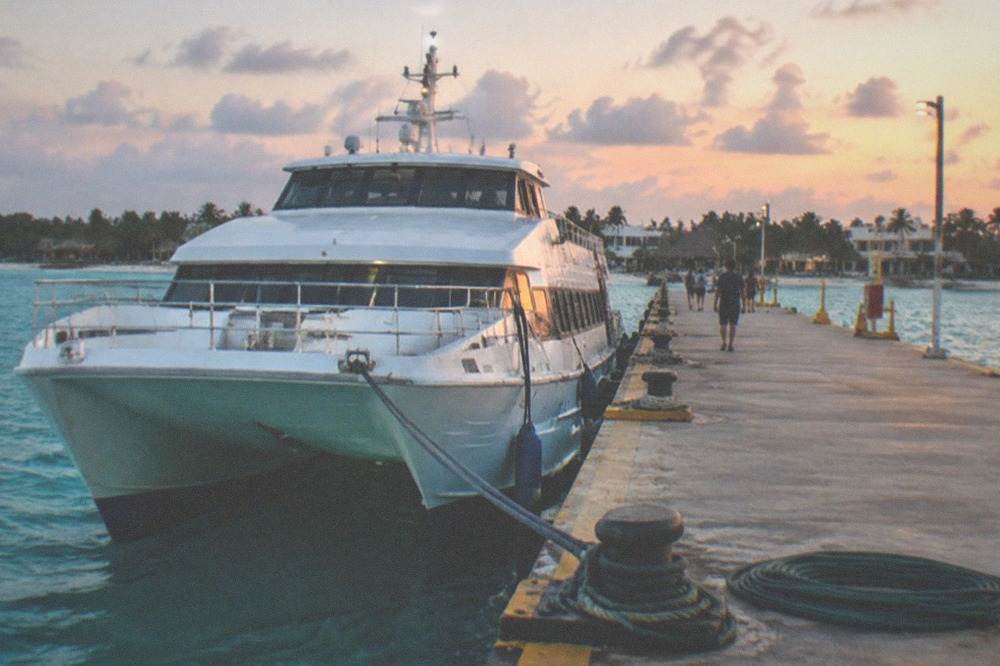
Start at the pier, which costs nothing at all. The ferry terminal sits at the end of the pedestrian street, and the crossing to Cozumel runs all day: two operators, sailings roughly every 30 to 60 minutes across a combined schedule from about 7 AM to 10 PM, and a crossing time of about 45 minutes. One-way adult fares run roughly 250-344 MXN depending on operator, class and online discount, but watching the boats come and go is free, and the pier area doubles as the town's best free evening viewpoint. Current sailing details are on the current Cozumel ferry schedule, and the whole ferry question is unpacked in the guide to Playa del Carmen ferries explained.
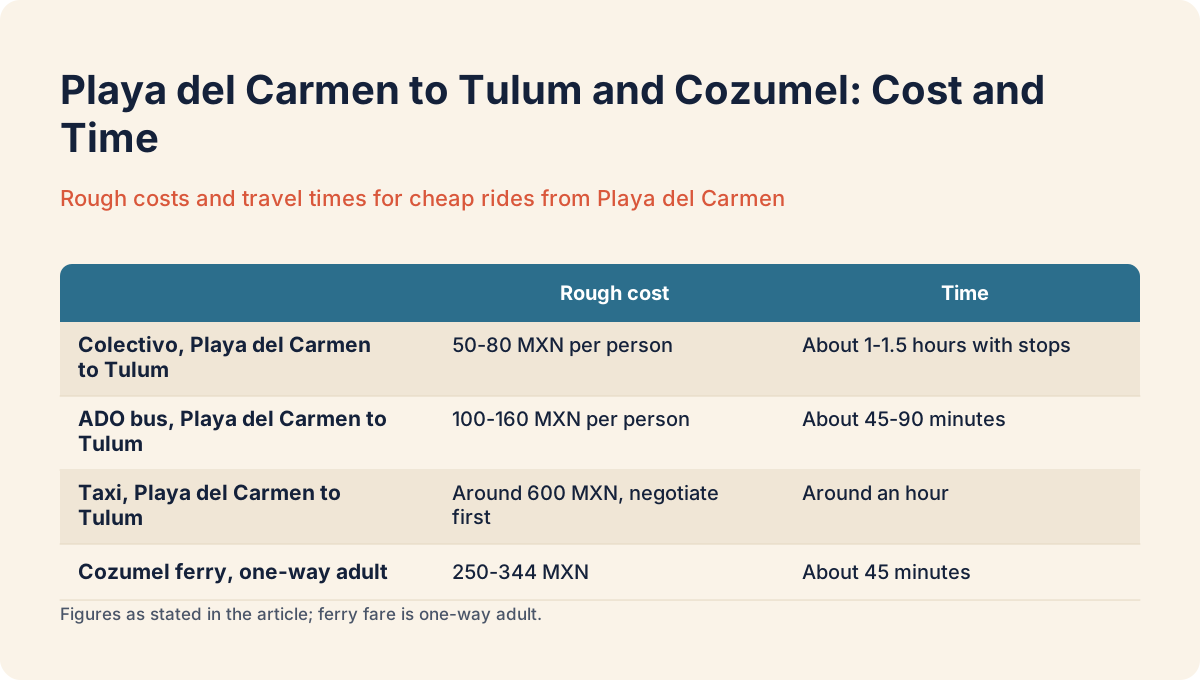
For a wider free loop, colectivos, the shared vans that run the length of the coast, are the cheapest moving viewpoint in the region. They leave when full, stop on request along the highway, and connect Playa del Carmen with the towns and beach entries to the south. The realistic fare table for the corridor:
| Option | Rough cost | Time |
|---|---|---|
| Colectivo, Playa del Carmen to Tulum | 50-80 MXN per person | About 1-1.5 hours with stops |
| ADO bus, Playa del Carmen to Tulum | 100-160 MXN per person | About 45-90 minutes |
| Taxi, Playa del Carmen to Tulum | Around 600 MXN, negotiate first | Around an hour |
| Cozumel ferry, one-way adult | 250-344 MXN | About 45 minutes |
The honest framing is that the rides are not free, only cheap. What is free is what sits at the ends of them: the beach entries, the shoreline walks and the highway views, all accessible the moment the van drops you. If a cheap day trip beats a free afternoon and ruins are the goal, the budget end of the paid roster covers it. The Tulum ruins, Cenote Mariposa and Playa del Carmen combination runs from $34.05 and carries 4.6 from 446 reviews, which is one of the strongest value records on the whole roster.
That option is paid, clearly, but per hour of excursion it is the closest thing the region has to the price of a colectivo ride with a guide attached.
Which Hidden Costs Are Not Actually Free?
Two costs catch visitors who assumed everything beachside was free. The first is the Quintana Roo visitor tax, called VISITAX, which runs roughly 283 MXN, about 15 US dollars, and applies to foreign visitors of all ages. The second is parking at managed sites, which is almost never included in an entry fee sign.
VISITAX is the big one because it applies to nearly every reader of this guide. The tax is set at approximately 2.5 UMA, which works out to roughly 283 MXN or about 15 US dollars, and it tracks an annually adjusted Mexican unit rather than a fixed peso figure. It is mandatory for foreign and international visitors of all ages, including children. Mexican nationals and residents are exempt. It is paid online before departure through the official VISITAX portal, which issues a QR code for departure, and it is generally not bundled into airfare, so do not assume your ticket already covered it.
The second tier of hidden costs sits at the managed sites. The cenotes that dot the region are almost all privately operated, and entry commonly runs from about $7 at simple open pools to around $24 at the famous ones. The Tulum archaeological zone layers several fee components, and the combined total genuinely varies with which structure is in effect, so plan on roughly $15-30 in combined entry fees and confirm the day-of figure at the gate rather than trusting any single number. Parking is usually separate again at managed sites, on the order of 100 MXN per day at the main lots near Akumal.
None of this touches the free list above, which is exactly why the free list is worth building a day around. The pattern to remember: the shoreline and the streets are free, the waterholes and the ruins are not, and the state tax applies regardless.
When Is The Best Season For Free Days Outdoors?
The best season for free outdoor days is the dry stretch from November through April, when rain is lighter and sargassum arrivals ease off. Official hurricane season runs June 1 to November 30, with peak activity in August through October, so autumn days can still turn wet or windy with little warning.
The calendar splits roughly in half. The dry season, about November to April, brings lower rainfall and the cleanest beaches; the rainy season, about May to October, brings afternoon showers, higher humidity and the sargassum peak. Hurricane season overlaps the back half of the rainy stretch, and the official Atlantic window of June 1 through November 30, with a typical August-October peak, is documented by NOAA's official hurricane season dates. The seasonal question matters more here than in most beach towns because so much of what Playa del Carmen offers for free is outdoors and uncovered.
| Period | Typical conditions | Free-day outlook |
|---|---|---|
| November-April | Dry season, lighter rain, cleaner beaches | Best window for beach and walking days |
| May-October | Rainy season, afternoon showers, sargassum peak | Mornings still work; check the sand first |
| June 1-Nov 30 | Official hurricane season, peak August-October | Watch forecasts, keep plans flexible |
The nuance worth knowing: shoulder months, early November and late April, often combine thin crowds with decent conditions, and the seaweed monitoring data above shows arrivals easing steadily through late autumn. A free itinerary in the wet half of the year is still workable; it just wants a flexible morning and a backup indoor stretch along the pedestrian street. The full seasonal breakdown, including crowd patterns and price swings, lives in the guide to the best time to visit Playa del Carmen.
Which Paid Tours Earn Their Price After A Free Day?
The paid tours that earn their price after a free day are the jungle buggy tour with a cenote swim from $110.16 at 5.0 from 1,341 reviews, a private cenote VIP experience from $225 at 5.0 from 115 reviews, and the Isla Mujeres catamaran from $59, which carries 4.0 from 2,618 reviews.
The flagship is the Jungle Buggy Tour from Playa del Carmen including a cenote swim, at 5.0 from 1,341 reviews, among the deepest review pools on this site's roster, from $110.16 per person. You drive your own buggy through the jungle inland of town, swim in a cenote, and are back the same day. It is the natural first paid step after a free beach morning because it solves the one thing the free list cannot: a structured adventure with equipment, a route and a guide attached. Full details are on the jungle buggy and cenote tour page, and Check availability on the live listing if the date matters.
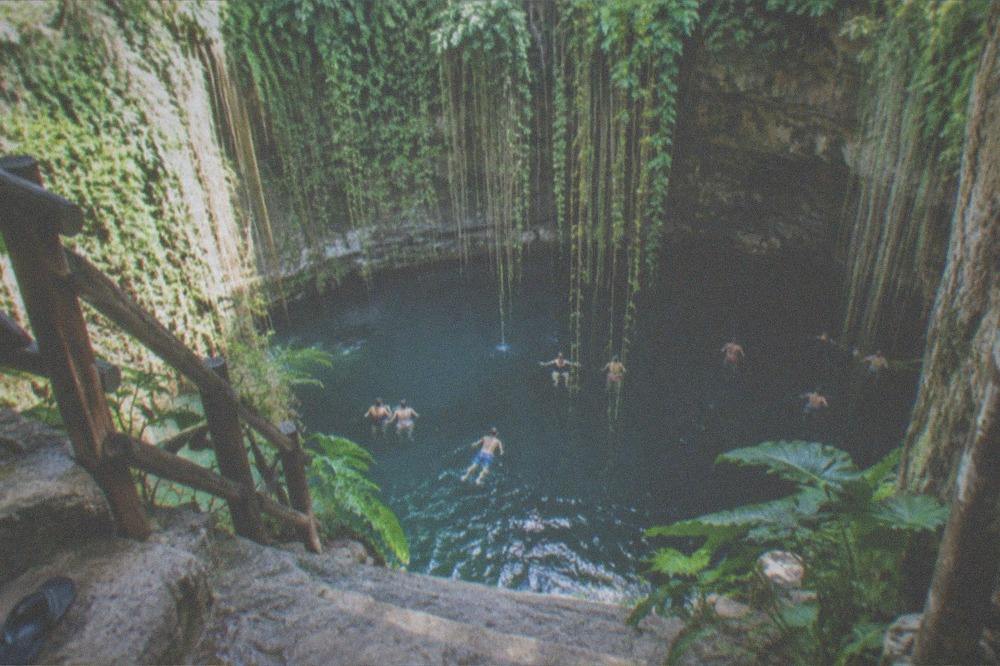
For travelers whose free day was the beach and whose second day should be the water, the private cenote route is the quieter alternative. Cenotes Private Tour VIP runs from $225 at 5.0 from 115 reviews, and the private format means your own group, your own pace and no shared van. It is the pricier end of the roster, and the review pool, while uniformly positive, is a fraction of the buggy tour's, so weigh the format rather than the star rating alone.
The budget contrast is the Isla Mujeres catamaran cruise with beach club, snorkeling, lunch and open bar, from $59. It is the bestseller by review count on the roster at 2,618 reviews, though its rating is 4.0, below the top tier of the lineup, so it reads as a value party boat rather than a premium small-group day. For a traveler who has spent two free days on the sand and wants one cheap day on the water, it is the obvious arithmetic.
The honest summary of the whole paid stack, prices and review records side by side:
| Tour | From | Rating and reviews | Best for |
|---|---|---|---|
| Jungle Buggy Tour with Cenote Swim | $110.16 | 5.0 from 1,341 reviews | Adventure half-day, the flagship |
| Cenotes Private Tour VIP | $225 | 5.0 from 115 reviews | Private group, own pace |
| Isla Mujeres catamaran cruise | $59 | 4.0 from 2,618 reviews | Budget boat day, open bar |
| Tulum ruins, Cenote Mariposa combo | $34.05 | 4.6 from 446 reviews | Cheap structured ruins day |
None of these are required. The free spine of Playa del Carmen, the beach, the pedestrian street, the seafront park, the Playacar paths and the pay-what-you-want walk, genuinely fills a long weekend. The paid options above are for the day you want the jungle or the island instead of the shoreline, and now you know exactly what each one costs and what its reviewers actually said.
Common Questions About Free Things In Playa Del Carmen
Is the beach in Playa del Carmen free to access?
Yes. The downtown waterfront is public, with free access points cutting through from Quinta Avenida, and the stretch toward Playacar is reachable on the public paths. There is no gate, wristband or towel fee on the main beach.
Is the free walking tour really free?
It is free in structure. Ancestral Roots By The Sea is a one-hour downtown walk on a pay-what-you-want basis, so you can pay nothing at the end. Guides work on tips, and the live listing carries the exact meeting point and current schedule.
Do I have to pay the Quintana Roo visitor tax?
Yes, if you are a foreign visitor. VISITAX runs roughly 283 MXN, about 15 US dollars, applies to international visitors of all ages, and is paid online before departure through the official portal for a QR code. Mexican nationals and residents are exempt.
Are the cenotes free to visit?
No. Nearly every cenote in the region is privately managed with an entry fee, commonly from about $7 at simple open pools to around $24 at the most famous ones. Guided cenote tours bundle transport and access, and the Cenotes Private Tour VIP runs from $225.
What is the cheapest way to see more than Playa del Carmen?
Colectivos run down the coast toward Tulum for roughly 50-80 MXN per person and stop on request. If you want ruins with a guide instead of a self-guided ride, the Tulum ruins and Cenote Mariposa combination runs from $34.05 at 4.6 from 446 reviews.