What Is The Best Month To Visit Riviera Maya?
A month-by-month look at Riviera Maya weather, crowds, sargassum and hurricane risk, with advice on which tours fit each season.
What Is The Best Month To Visit Riviera Maya?
For most visitors the best stretch is mid-November through April: that is the regional dry season, with lower rainfall, lower humidity, clearer water for snorkeling, and the smallest chance of sargassum on the beaches. December through February brings the coolest air. The tradeoffs are higher prices and bigger crowds, especially around Christmas, New Year, and the March equinox at Chichen Itza.
That answer is the short version. The honest longer version is that the Riviera Maya has two basic seasons with a shoulder on each side, and the "best" month flips depending on whether your priority is beach clarity, ruin-gazing comfort, tour prices, or simply avoiding other people. Official hurricane season runs June 1 through November 30, with peak activity typically August through October, according to the NOAA Atlantic hurricane climatology reference. That overlaps the back half of the rainy season, which runs roughly May through October with common afternoon showers.
Season shapes which tours make sense, too. A reef snorkel trip is a different experience in February than in a heavy sargassum August, and an inland buggy-and-cenote day holds up in almost any weather. The three picks below cover that spread: an all-weather inland adventure, a boat day on the water, and a full ruins-plus-cenote excursion.
Which Months Have The Best Weather In Riviera Maya?
The most reliable weather sits in the dry season, roughly November through April, when rainfall drops, humidity eases, and high temperatures typically settle in a comfortable band rather than the summer peaks. Within that window, December through February is the coolest and most pleasant for walking around ruins. May through October is the rainy season: hotter, more humid, and prone to afternoon showers, though mornings often stay fine.
Dry-season months are the ones where a full-day itinerary works without much adjustment. You can book a 10 or 11 hour Chichen Itza excursion, a Tulum morning, or a boat trip and reasonably expect the plan to survive the weather. Chichen Itza tours from Playa del Carmen commonly run that long door to door, and dry-season heat at the site is real but manageable compared with the summer, when highs push into the mid-thirties Celsius and shade is scarce.
The rainy season is not a write-off. Showers tend to arrive in the afternoon, so the standard local pattern is to tour in the morning and be poolside or indoors when the clouds build. Humidity is the bigger drag for many visitors; a jungle buggy circuit through mud and a cenote rinse afterward is genuinely more refreshing in July than in January. The site's Tours in Playa del Carmen roster reflects that: inland adventures hold their appeal year-round while water-dependent trips benefit from a season check before booking.
There is a middle band worth naming, too. Late April and early May, plus late October and early November, sit on the shoulders of the two seasons, and they often deliver dry-season-style mornings before the rains or the crowds settle in. Shoulder weeks are when a day plan can quietly outperform its price tag: the sea is still warm from the summer, hotel rates have not yet jumped to holiday levels, and the big ruin sites have not yet filled with bus groups. The catch is variance. A shoulder week can give you five perfect days or three soggy ones, so it rewards travelers who keep one flexible morning in reserve rather than locking in a rigid itinerary.
If you want the deeper month-by-month planning picture for the town itself, the guide to the best time to visit Playa del Carmen breaks down the same seasons with local specifics.
Rainy-season touring has one practical advantage worth naming: fewer people. The same cenote that feels like a queue in January can feel like your own swimming hole in September, and operators run the same routes at lower demand.
When Is Sargassum Season On Riviera Maya Beaches?
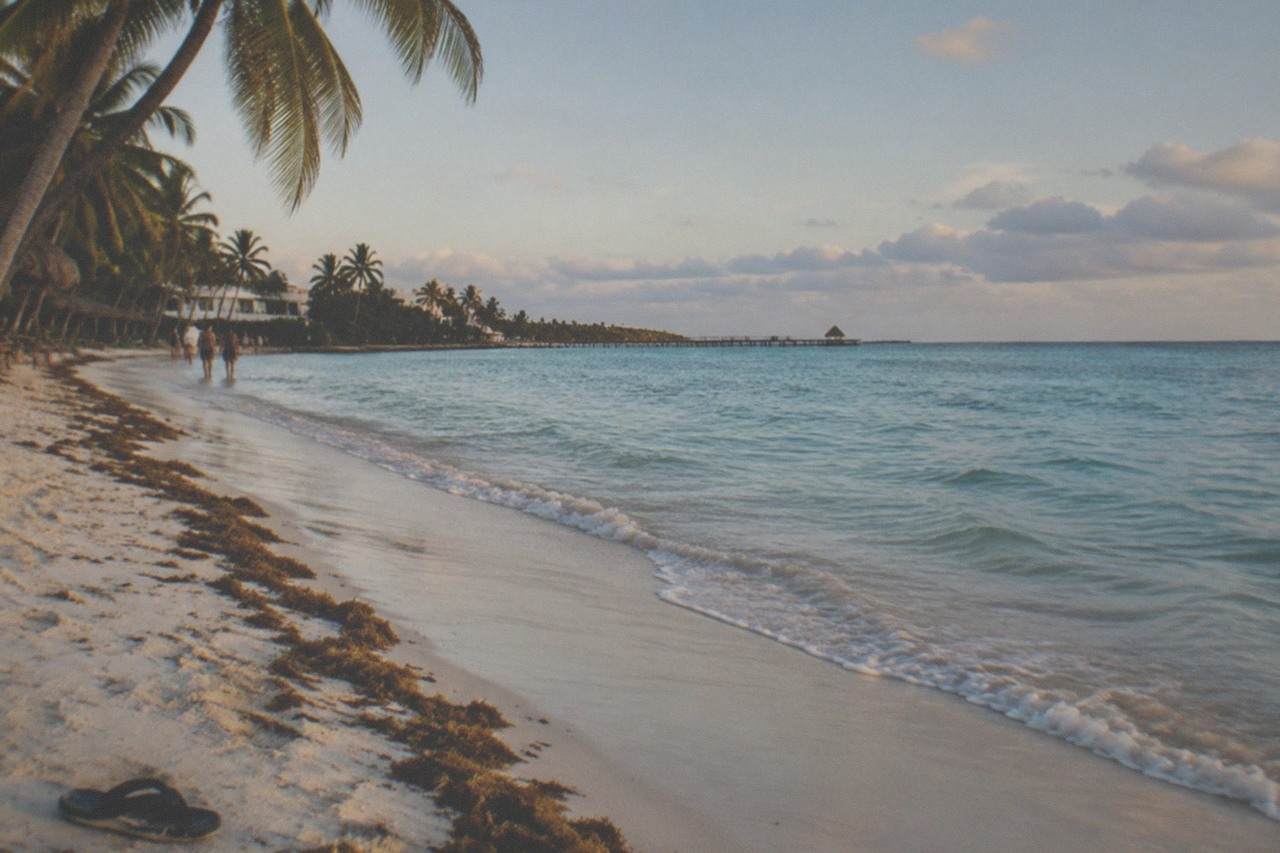
Sargassum arrives mainly from spring through early fall, with the heaviest beaching historically in the May-to-August window and a taper into the autumn. The 2026 season has been near-record: roughly 133,647 tons were collected in Quintana Roo by mid-September, already past the prior year's record of about 98k tons. The cleanest, most reliable beach months remain November through April.
Sargassum is the factor most first-time visitors underestimate, and it matters more here than in many other Caribbean destinations because Playa del Carmen sits on an exposed east-facing coast. The state monitoring network reported seaweed present on 135 of 140 monitored beaches at the September reading, though volumes had fallen sharply compared with August, and the overall trend has been easing toward the end of the year. Playa del Carmen itself was the most affected municipality in the state, at roughly 44.5k tons, about a third of the total collected.
What that means practically: a beach day in peak summer can mean brown tide and a strong smell at some stretches, while offshore reefs, cenotes, and west-facing Cozumel beaches stay far cleaner. Cenotes are entirely inland and unaffected. Cozumel's sheltered west coast is one of the better sargassum bets in the region during the heavier months, which is worth knowing if you are traveling in summer and snorkeling is the priority.
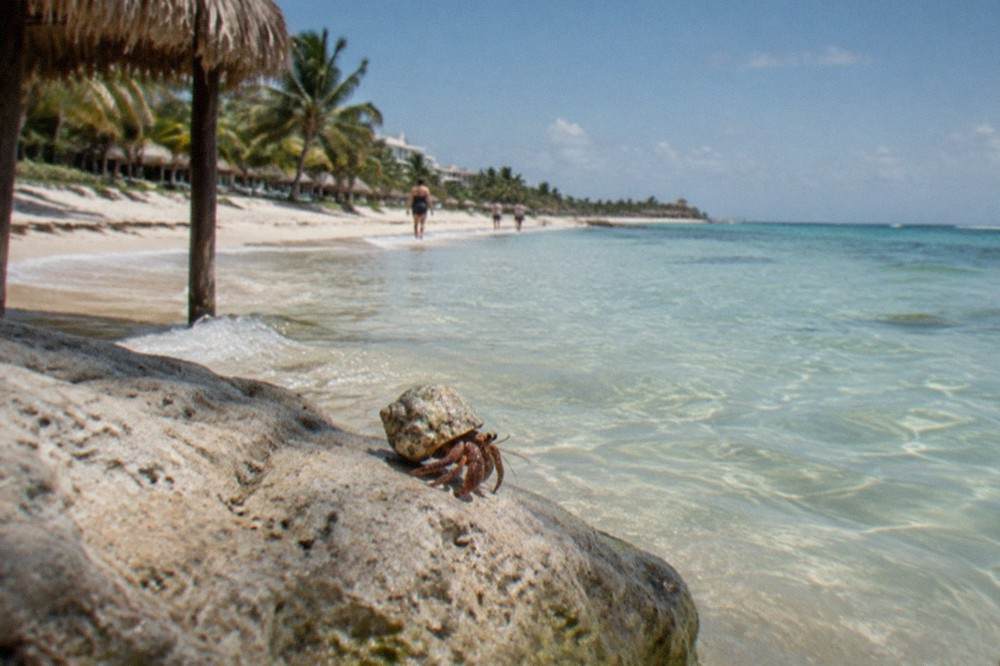
Cleanup operations, barriers, and daily removal by hotels and municipal crews blunt the worst of it, and conditions change fast with wind and current. A beach that reads heavy on a Monday can read clean by Thursday, and the reverse is just as true. Satellite-based trackers and the state's beach semaphore system are updated continuously, so a mid-summer trip does not have to be a gamble if you check conditions shortly before choosing a beach. But if a postcard beach is the single reason for the trip, book the dry half of the year and remove the variable entirely.
Which Months Are Cheapest And Least Crowded?
The cheapest, quietest months are late April through May and late September through October, the shoulders on either side of the high season. September and October carry the highest hurricane overlap, so May and early June are the classic value play: lower rates, thinner crowds, and weather that has not yet reached peak summer intensity. Late August and September are the budget floor if you accept rain and seaweed risk.
Crowds cluster around the same anchors every year: Christmas and New Year, Semana Santa, the March equinox at Chichen Itza, and the whole December-through-February high season. One detail that surprises travelers: Sundays are the busiest days at several major ruin sites because entry is free or discounted for Mexican nationals and residents that day, and local turnout rises accordingly. The fee structure behind that Sunday rule, with separate federal and state components, is documented in contemporary Yucatan reporting on Chichen Itza admission, which also covers the foreign-visitor combined total of roughly 676 to 697 MXN.
The March equinox deserves its own warning. The serpent-shadow phenomenon on El Castillo draws large crowds around March 20 and 21, and hotel and tour prices in the surrounding week respond accordingly. The same effect repeats around September 21 to 23 with far fewer visitors, since rainy-season travelers are thinner on the ground, though cloud cover can obscure the shadow itself. If the phenomenon is on your list and you would rather not share it with a packed plaza, the autumn date is the contrarian's pick, with the obvious caveat about weather.
| Month | Weather | Crowds | Beach condition | Value |
|---|---|---|---|---|
| January | Dry, cool | High | Clean | Low |
| February | Dry, coolest | High | Clean | Low |
| March | Dry, warming | Peak at equinox | Clean | Low |
| April | Dry tail, hot | High early, easing late | Mostly clean | Medium |
| May | Rainy season starts | Moderate | Sargassum begins | Good |
| June | Hot, humid | Moderate | Seaweed risk rising | Good |
| July | Hot, humid | Family peak | Peak seaweed months | Medium |
| August | Hot, storm watch | Moderate | Peak seaweed months | Good |
| September | Humid, peak storms | Low | Heavy seaweed, easing | Best |
| October | Storm tail | Low | Easing seaweed | Best |
| November | Dry season starts | Moderate | Cleaning up | Good |
| December | Dry | Peak holidays | Clean | Low |
Read the table with your own priorities in mind. If ruins are the main event and heat is the enemy, the value of May and September drops fast, because Chichen Itza in a wet September afternoon is a different trip than the same site in February.
Which Tours Make Sense In Each Season?
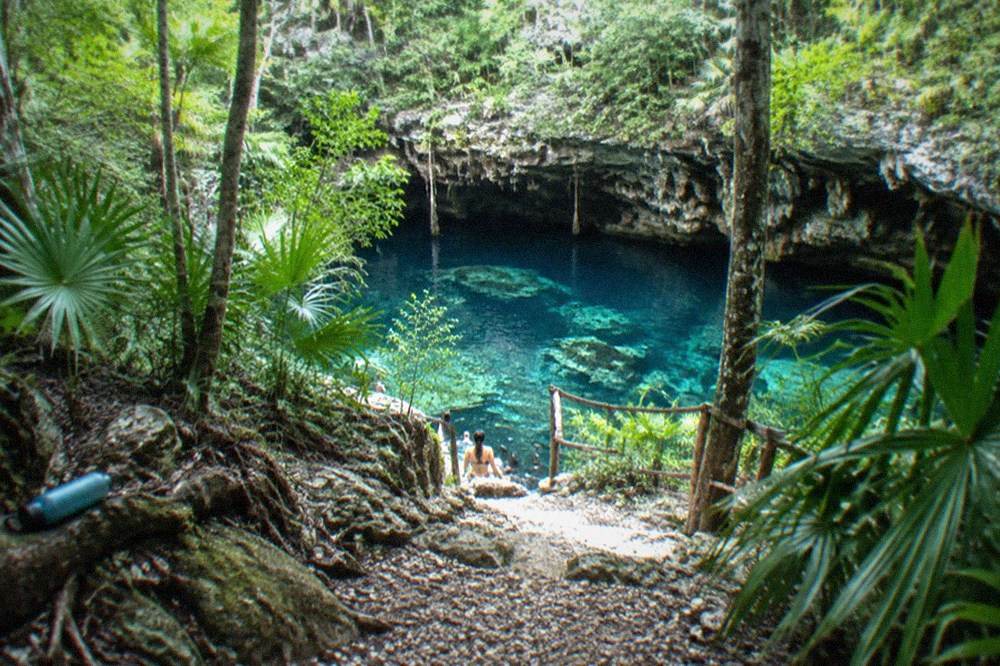
Inland tours work in every month: buggy circuits, cenote swims, and ruin excursions are season-proof, and the cenotes actually feel best in the hottest weeks. Water-dependent trips, reef snorkeling, catamarans, and beach club days, are best booked November through April when the sea is clearer and calmer. Long outdoor ruin days favor the dry season for heat alone.
The flagship example of a season-proof tour is the jungle buggy circuit. The Jungle Buggy Tour from Playa del Carmen, which includes a cenote swim, carries a 5.0 rating from 1,341 reviews and starts from $110.16, and its route is entirely inland, so a passing shower or a seaweed week changes nothing about the experience. Rain arguably improves it, since the jungle tracks get more interesting and the cenote at the end does its job either way. Riviera Maya buggy alternatives on the roster, at 4.8 from 554 reviews and 4.8 from 392 reviews, follow the same logic.
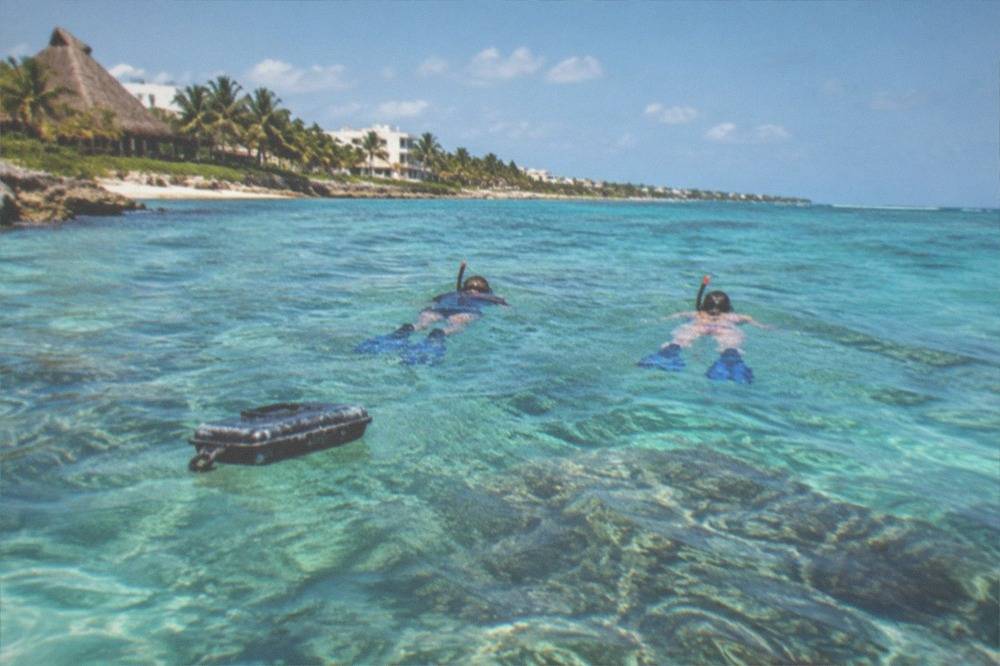
Water tours are the ones that need a calendar. Reef clarity off exposed coasts drops in heavy sargassum months, and operators sometimes reroute or pause nearshore trips during peak influxes. The ferry-and-reef day to Cozumel holds up better than most in summer because the island's leeward west coast is sheltered, but even that is a surer thing in the dry half of the year.
Wildlife trips sit somewhere between the two. Akumal's resident green sea turtles feed in the bay year-round, with peak sightings and nesting activity in the warmer months, though note that the guided turtle swim itself pauses for the month of September as part of the bay's conservation calendar. October and November are often cited as a strong window for turtle presence, since the animals are still feeding while sargassum clears and crowds thin. Sian Ka'an biosphere tours run year-round as well, and the dry season is the standard recommendation for birdlife and clearer trails, with early mornings the best slot for wildlife activity on the water.
One season rule applies to nearly everything: book morning slots whenever you travel. Early entries beat both the midday heat at ruin sites and the afternoon shower pattern in the rainy season, and they land you at cenotes and bays before the tour buses arrive. The one document that matters more than the calendar is your tour's cancellation line, so read it before booking anything weather-dependent.
How Does Hurricane Season Affect Trip Planning?
Officially, hurricane season runs June 1 through November 30, with peak activity typically August through October. For the Riviera Maya the practical planning points are simple: storms are a risk not a certainty, direct hits are rare in any given year, and the August-to-October window is when trip insurance, flexible cancellation, and refundable bookings genuinely earn their keep.
The NOAA definition matters here because it is the official line, not travel-industry marketing. A June or July booking carries some hurricane exposure but sits well before the statistical peak. The same booking in mid-September carries the highest overlap of the year with seaweed season, the September Akumal turtle-swim pause, and peak storm climatology all at once. That is why September is simultaneously the cheapest month on the calendar and the one that demands the most flexibility.
What softens the risk in practice: most tour operators on the roster run with free-cancellation terms, so a storm-affected day can usually be rebooked rather than lost. Pay-later options are common on the live listings as well. The storms that do form move slowly and are tracked for days, so a Riviera Maya trip in hurricane season is rarely a surprise, it is a watch-and-adjust exercise.
A practical way to structure a shoulder-season or storm-season booking is to front-load the flexible things and keep the fixed things light. Book the flights and the hotel, hold one or two tours with free cancellation rather than prepaying a full week of activities, and leave space in the itinerary to shuffle days around. If the forecast turns, an inland buggy morning or a cenote afternoon usually still runs, and the snorkel day moves to the back half of the week. Travelers who plan that way tend to finish a September trip satisfied; travelers who prepay a rigid schedule are the ones who end up chasing refunds.
For readers deciding between this coast and other Mexican destinations in the same season window, the comparison piece on Riviera Maya vs Cancun covers how the two areas differ beyond weather.
Which Month Should You Actually Book?
Book December through March if you want the classic version of the trip: dry air, clear water, clean beaches, and the full menu of tours running at full quality. Book early May for the best balance of price, weather, and quiet. Book late September or October for the lowest prices, accepting storm overlap and seaweed tail-off. Book July only if heat-tolerant, water-centric plans are the point.
For a snorkeling-focused traveler, one more data point is useful: the month-by-month diving breakdown in the best month for Cozumel diving covers water clarity and marine-life timing on the island's reefs, which is where many Playa del Carmen visitors end up snorkeling when the mainland coast is murky.
The Cozumel snorkeling day trip from Playa del Carmen, which includes lunch, is the roster's direct play for that scenario. It carries a 4.0 rating from 33 reviews, a modest pool so far, and starts from $135, with the ferry crossing and reef stops built into the day. In the dry season it is a straightforward recommendation; in peak sargassum months it is the smarter water choice than an exposed mainland beach stop, precisely because Cozumel's west coast is sheltered.
For ruins-first travelers the calculation is different. Among the strongest review records for any ruins day trip on the site sits the small-group Chichen Itza, Cenote Ik Kil and Coba tour, at 4.5 from 987 reviews, from $165, and it is exactly the kind of long, hot, outdoor day that dry-season months reward. Early access is part of its pitch, which pairs well with the general advice to reach big sites before mid-morning. For a month-by-month cost-and-weather framing, the things to do in Playa del Carmen guide groups the same activities by season.
Families should tilt the whole decision one notch earlier in the year. School holidays push family travel into July and August, which is exactly the hottest, most seaweed-prone pair of months; if your dates are not locked to a school calendar, the same budget goes further and the water is clearer in late November or early December, when the dry season has started but the holiday peak has not.
Common Questions About Visiting The Riviera Maya
What Is The Best Month To Visit Riviera Maya?
Mid-November through April is the best stretch for most travelers: dry-season weather, clear water for snorkeling, and minimal sargassum. May offers the best value balance, while late September and October are cheapest but carry the highest hurricane overlap.
Is the Riviera Maya too hot in summer?
May through October is genuinely hot and humid, with highs that can push into the mid-thirties Celsius and afternoon showers common. Mornings are usually fine, so the local pattern is early touring and shaded or indoor afternoons.
When is sargassum worst on Riviera Maya beaches?
The heaviest beaching historically runs May through August, with a taper into the autumn. 2026 was a near-record year, with roughly 133,647 tons collected in Quintana Roo by mid-September and volumes easing sharply after the August peak.
Do tours still run during hurricane season?
Yes. Most operators run normal schedules with free-cancellation terms, so affected days can be rebooked. Storms are tracked for days in advance, so changes are usually announced ahead of time rather than sprung on the day.
Which month is cheapest for a Riviera Maya trip?
Late September is typically the budget floor, followed by October and early May. Christmas, New Year, and the March equinox sit at the opposite end of the price range.
Does the month matter for cenote visits?
Far less than for beach days. Cenotes are inland and unaffected by sargassum, and they arguably feel best in the hottest weeks. Check each site's rules on biodegradable sunscreen before you go, since that requirement is enforced at most managed cenotes.