Why Is Tulum So Famous?
Tulum's fame rests on clifftop Mayan ruins over a turquoise sea, a bohemian wellness scene, cenotes, and the Sian Ka'an biosphere. Here is what actually made it one of the most talked-about beach towns on earth.
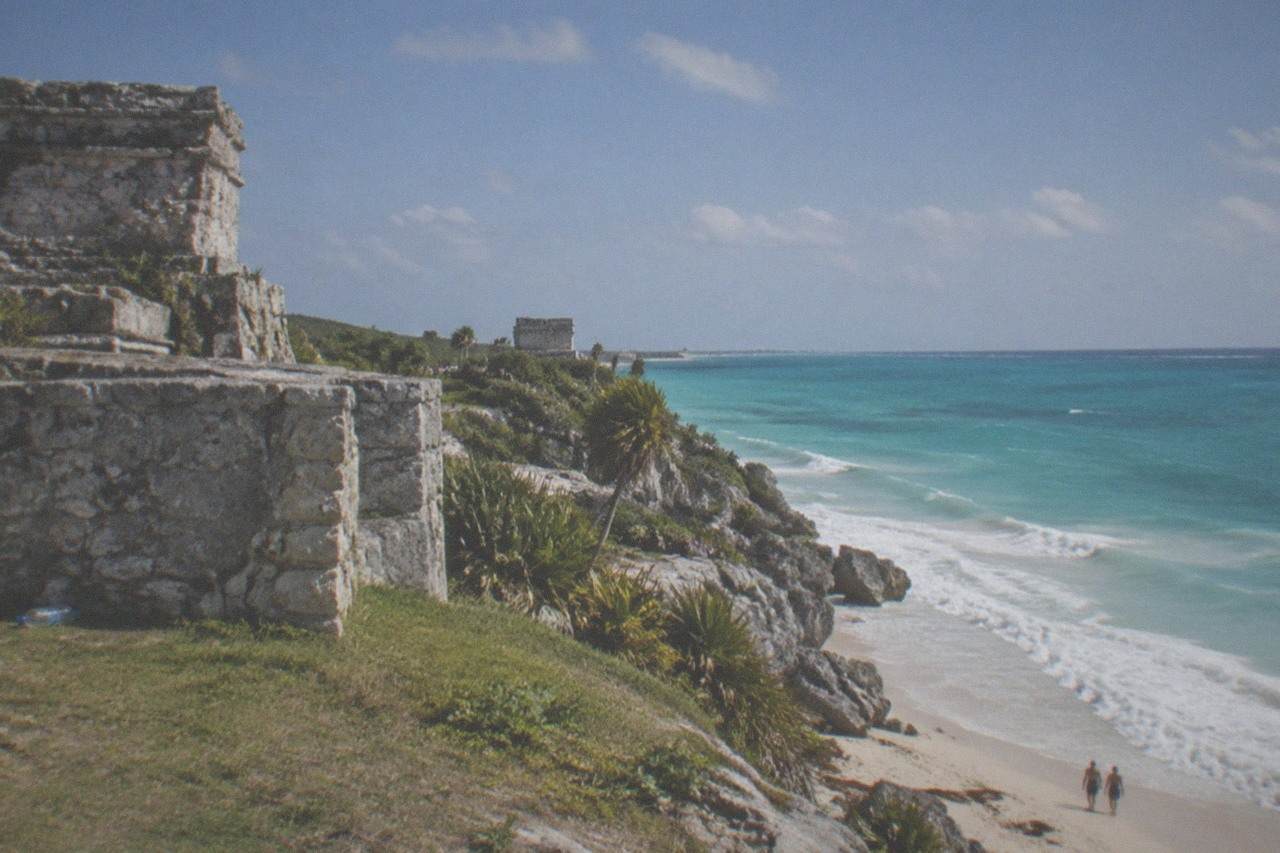
Tulum is the rare place where a postcard and an archaeology lecture occupy the same frame. A thousand years ago it was a minor Maya trading port called Zamá, roughly "dawn," sitting on a twelve-meter limestone cliff where the jungle meets the Caribbean. Today that same cliff, crowned by the stone silhouette of El Castillo, is one of the most photographed coastlines in the Americas, and the town that grew beside the ruins has become shorthand for a whole lifestyle: yoga retreats, cenote swims, farm-to-table restaurants, and a level of bohemian glamour that people either fly across the world for or roll their eyes at.
The question of why Tulum is so famous has a surprisingly layered answer, because the fame arrived in waves rather than all at once. First came the archaeology, then the backpackers, then the wellness crowd and the influencers, then the boutique hotels and the digital nomads. Each wave added a layer to the reputation, and each also added a complaint, from crowds to prices to construction. Understanding what Tulum actually is, beneath the hashtags, is the difference between a trip that lives up to the image and one that feels like queuing inside a magazine cover.
Why Is Tulum So Famous?
Tulum is famous because it is the only major Mayan archaeological site built directly on a Caribbean cliff over the sea, which gave it a visual identity no other ruins in Mexico can match. That image, combined with a bohemian wellness scene, swimmable freshwater cenotes nearby, and the protected Sian Ka'an biosphere to the south, turned a small town into a globally recognized brand within roughly two decades.
The ruins are the anchor, and they deserve the attention. Most great Mayan cities, Chichen Itza, Coba, Uxmal, sit inland in the jungle flatlands. Tulum is the exception: a late post-classic site, occupied mainly between the 13th and 16th centuries, encircled by a wall on three sides with the fourth side left open to the sea and the trade routes beyond. El Castillo functioned partly as a lighthouse, and the temple known as the Descending God, with its upside-down figure carved over the doorway, is unique enough that archaeologists still debate its meaning. The site is compact, walkable in an hour or so, and the payoff at the end of the path, ruins above a turquoise cove where you can swim below the cliff, is the single image that launched a thousand travel articles.
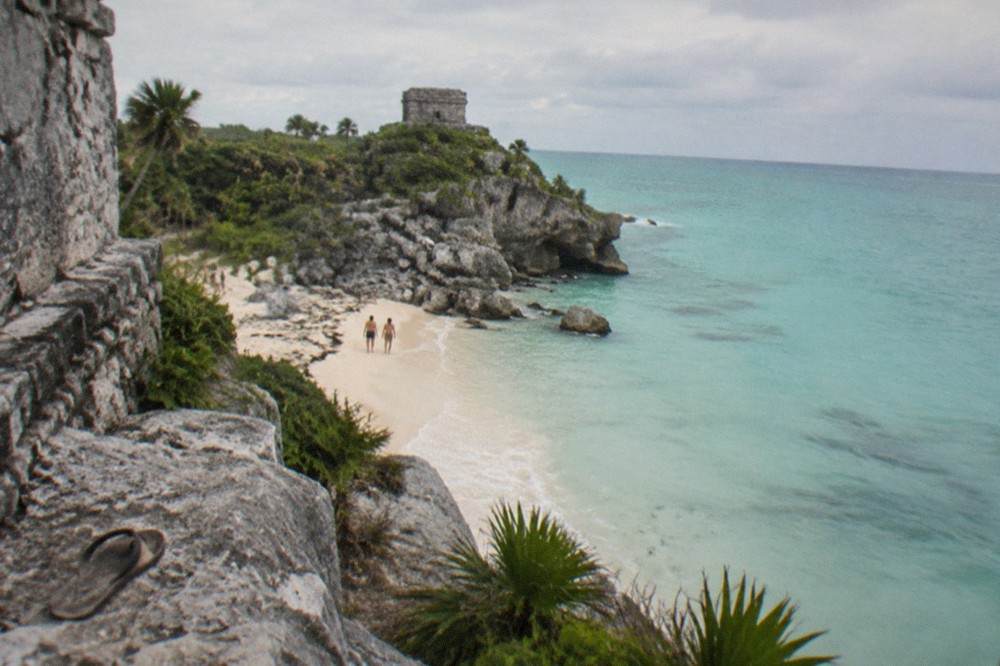
Then the town wrote its own legend. In the 1990s Tulum was a scattering of cabañas on an empty beach, and travelers came for the same reasons surfers and backpackers go anywhere: cheap, beautiful, undeveloped. What grew out of that base was unusual. Rather than high-rise hotels, Tulum filled with yoga studios, raw-food kitchens, temazcal sweat lodges, and boutique design hotels strung along the beach road under palapa roofs. Wellness tourism was searching for exactly this aesthetic, and Tulum became its capital in the Americas. The cenotes sealed it: a string of freshwater sinkholes, many of them caverns with shafts of daylight, lie within a short drive, offering the kind of swim that photographs like a dream even in flat light.
The visitor economy that grew around this is the reason this site exists, since plenty of travelers base themselves in Playa del Carmen and make Tulum a day trip rather than paying Tulum hotel prices. A good primer on that option is the Tours in Playa del Carmen guide to Tulum tours from Playa del Carmen, which covers the door-to-door options in detail. If you want the short version, three formats dominate: a budget combined outing, a private archaeology-focused day, and a wildlife boat trip into the biosphere.
Those three formats also trace Tulum's fame in miniature: ruins, deep archaeology, and untouched nature. The rest of this article takes each layer in turn, including the practical numbers, the seasons, and the honest conversation about what over tourism has done to the town's image.
What Makes The Tulum Archaeological Zone So Distinctive?
The Tulum archaeological zone is distinctive because it is a walled coastal Maya city with a functioning cliffside navigation structure, open daily from 8:00 to 17:00 with last entry at 15:30, roughly 63 to 74 km from Playa del Carmen. Foreign visitors pay a layered set of fees totaling roughly 265 to 625 MXN, and the structures themselves are view-only, with climbing prohibited.
The "walled" part matters more than most visitors realize. The name Tulum is Yucatec Maya for wall or fence, and the site is one of very few fortified Mayan settlements, a rectangle of stone enclosing what was likely a priestly and administrative elite rather than a full city. Its economy was maritime: obsidian, jade, and copper goods moved through here along the coast trade network, and the reef just offshore, the second-longest barrier reef in the world, both sheltered the harbor and now draws snorkelers to the same waters.
Practical details are worth settling before you go, because the fee structure is genuinely confusing and has been reshuffled more than once in recent years. The INAH base admission is around 105 MXN for nationals and 210 MXN for foreign visitors, but separate components, the GAFSACOMM fee and the CONANP protected-area fee, stack on top, which is why reliable trackers report combined foreign totals anywhere from roughly 265 to 625 MXN depending on what is bundled and who is collecting it. Rather than quote one number as final, the honest advice is to budget roughly $15 to 30 USD per adult and confirm the day-of structure at the gate, a figure range also summarized at the Tulum ruins fee breakdown.
| Tulum-area site | Entry cost for foreign adults | What to know |
|---|---|---|
| Tulum archaeological zone | roughly 265-625 MXN combined | INAH base plus GAFSACOMM and CONANP components; structure has shifted repeatedly, confirm at the gate |
| Coba archaeological site | 210 MXN | An additional ejido community fee of around 120 MXN and separate parking are reported |
| Sian Ka'an biosphere (CONANP) | 225 MXN per person per day | Children under 12, seniors and others with credentials are exempt or discounted |
| Cenote Dos Ojos | roughly 350-400 MXN basic entry | Guided snorkel and Bat Cave circuit around 700 MXN; life jacket typically included |
Two rules shape the visit itself. Climbing and entering the structures is prohibited, ropes keep you on the paths, and the Temple of the Frescoes interior is closed to the public, a policy enforced since the mid-1990s. And the single biggest crowd lever is timing: the site opens at 8:00, and the bus waves arrive from mid-morning through mid-afternoon, so arriving at opening can mean the difference between an empty clifftop and a conga line. Sunday draws extra local visitors because of national discounts, so a weekday morning is the quiet window.
For travelers coming from Playa del Carmen, the most popular way to see the ruins without the logistics is a combined day that adds a cenote. The Tulum Ruins, Cenote Mariposa and beach outing from the roster, formally listed as From Cancun: Tulum Ruins, Cenote Mariposa & Playa del Carmen, carries a 4.6 rating from 446 reviews and starts from $34.05, making it the budget anchor of the Tulum options. It pairs the two headline experiences, the seafront ruins and a freshwater cenote swim, with round-trip transport handled for you. If you are still choosing a season, the rundown in the best month to visit the Riviera Maya covers how the calendar changes the experience.
A note on protecting what you came to see: like most managed sites in Quintana Roo, Tulum and the surrounding protected areas expect biodegradable, mineral-based sunscreen, and conventional sunscreen is often refused at entry or triggers a mandatory rinse-off. That is not one uniform statewide law but a site-level rule enforced at most cenotes and CONANP marine parks, and packing a zinc or titanium based product before you leave home saves both the reef and an awkward moment at a gate.
How Far Is Tulum From Playa Del Carmen?
Tulum sits roughly 63 to 74 km south of Playa del Carmen along Highway 307, a drive of about 50 to 75 minutes in normal traffic. Colectivos run the route for roughly 50 to 80 MXN per person and take 1 to 1.5 hours, while a private driver costs around 600 MXN, making Tulum one of the easiest big-name day trips from Playa del Carmen.
The highway between the two towns is flat, straight, and busy, which is why the day-trip math works so well. A colectivo, the shared vans that leave when full from Playa's Calle 2 terminal area, is the backpacker classic: cheap, frequent, and perfectly serviceable if you travel light and don't mind stops along the way. ADO buses are air-conditioned with luggage space, running roughly 100 to 160 MXN. Private transfers and tour vans skip all of that, which is why so many visitors simply book an outing that bundles the ruins, a cenote, and the drive into one price.
The drive is also where the geography lesson happens. South of Playa del Carmen the highway runs behind a low coastal plain, with cenote entrances, resort gates, and the occasional roadside fruit stand slipping past the window. About halfway down you pass Akumal, roughly 30 to 38 km from Playa and 25 to 35 minutes by road, whose bay is a federally protected turtle refuge where a certified guide, a life vest, a three-meter distance from the animals, and a 45 to 55 minute session cap are all mandatory rules. Farther south the development thins, and the boundary of the Sian Ka'an biosphere quietly appears before Tulum Pueblo itself.
When Is The Best Time To Visit Tulum?
The best time to visit Tulum is the dry season, roughly November through April, when rainfall is low, humidity drops, and sargassum seaweed is at its least reliable problem. Hurricane season officially runs June 1 to November 30 with peak activity in August through October, while the rainy season runs May to October with afternoon showers, and peak sargassum historically lands between June and August.
Weather is the first filter, and the second is seaweed, which deserves its own honest paragraph. 2026 has been a heavy sargassum year across the Caribbean, and Quintana Roo set a second consecutive collection record, with Playa del Carmen the most affected municipality in the state. The trend matters for Tulum because its beaches face east directly into the prevailing arrival, while spots on Cozumel's sheltered west coast and the north-facing Playa Norte on Isla Mujeres stay clearer under the same conditions. By late September, state monitors were reporting a sharp decline in volumes, with the general easing expected to continue into the autumn. If swimming off a postcard beach is the point of your trip, November through April is the safest bet, and checking a current beach condition map the week you travel is smarter than trusting any calendar.
| Period | Weather | Sea and seaweed | Crowd character |
|---|---|---|---|
| November to April | Dry season, most comfortable | Cleanest and most reliable water | High season, busiest December to March |
| May and June | Rainy season begins, humidity rising | Sargassum arrivals start building | Shoulder, thinning crowds |
| July to August | Hot, afternoon showers | Historically the sargassum peak | Domestic and international summer peak |
| September to October | Peak hurricane-season months, wet | Declining seaweed, variable clarity | Quietest stretch, best prices |
The hurricane question is fair to ask, and the honest framing is the official one: the Atlantic season runs from June 1 to November 30, with peak activity typically August through October, per NOAA's hurricane climatology reference. In practice, most of those months pass with nothing worse than an afternoon storm, and the odds of a named storm disrupting any specific week are low, but travel insurance and a flexible booking are cheap peace of mind for a September trip.
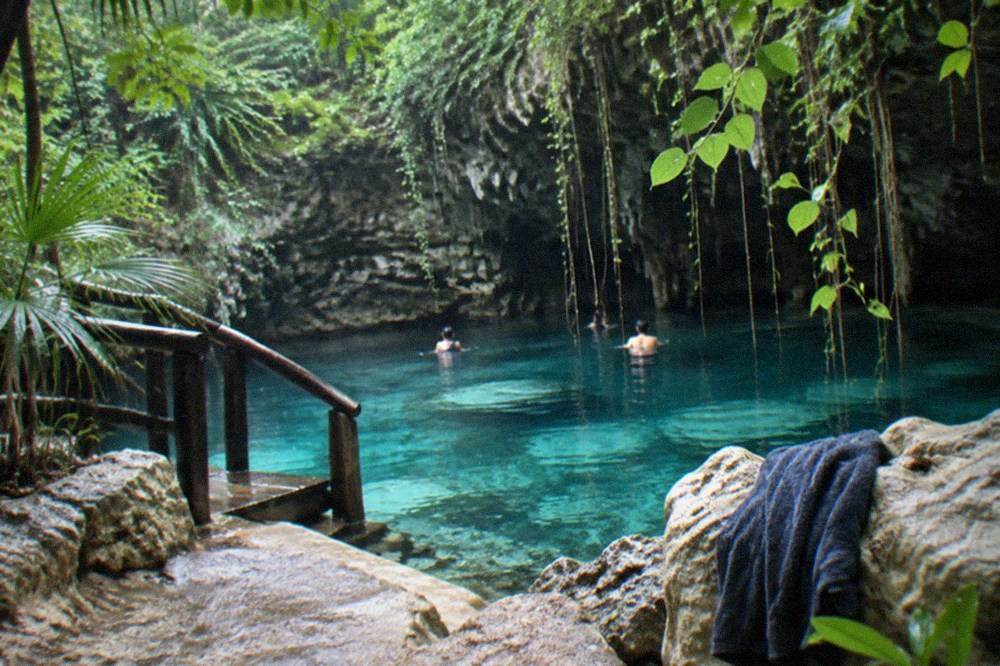
One seasonal detail that surprises first-time visitors: Tulum's fame is partly a seasonal product. The wellness scene, the beach clubs, and the restaurant calendar all peak between December and March, when the town feels like a full production. Come in September or October and many of those venues run reduced hours or close for the low season, while the ruins stay open and the cenotes stay full. Some travelers prefer it that way, which is exactly the tension that defines modern Tulum.
What Is Sian Ka'an And Why Does It Matter To Tulum's Fame?
Sian Ka'an is a UNESCO biosphere reserve covering wetlands, lagoons, reef, and tropical forest immediately south of Tulum, with a CONANP entry fee of 225 MXN per person per day. It matters to Tulum's fame because it caps development and preserves the wild coastline and wildlife, dolphins, turtles, manatees, over 300 bird species, that the Tulum brand quietly borrows for its "paradise found" image.
The name means "origin of the sky" in Yucatec Maya, and the reserve is the reason Tulum's southern horizon is empty rather than lined with hotels. Inside it are ancient Maya canals, the floating lazy-current channels around Muyil, mangrove lagoons, and the sandy spit road to the fishing village of Punta Allen, reachable by a roughly 50 km dirt track that organized tours handle for you. Boat access to the interior is restricted to authorized operators and local cooperatives, which keeps the experience small-group by design rather than by marketing. Full-day coastal tours from the Playa del Carmen area typically run $189 to $234 per adult, and shorter Muyil canal floats start from around $50.
For a sense of what a wildlife day looks like in practice, the biosphere day trip from the roster, Sian Ka'an Day Trip: Dolphins & Turtles, is listed at 4.9 from 38 reviews starting at $194. That review pool is small, so treat the rating as encouraging rather than definitive, but the format itself, a boat through mangroves and lagoons with lunch in Punta Allen, is the classic way to see the reserve's wildlife side without arranging permits or transport independently.
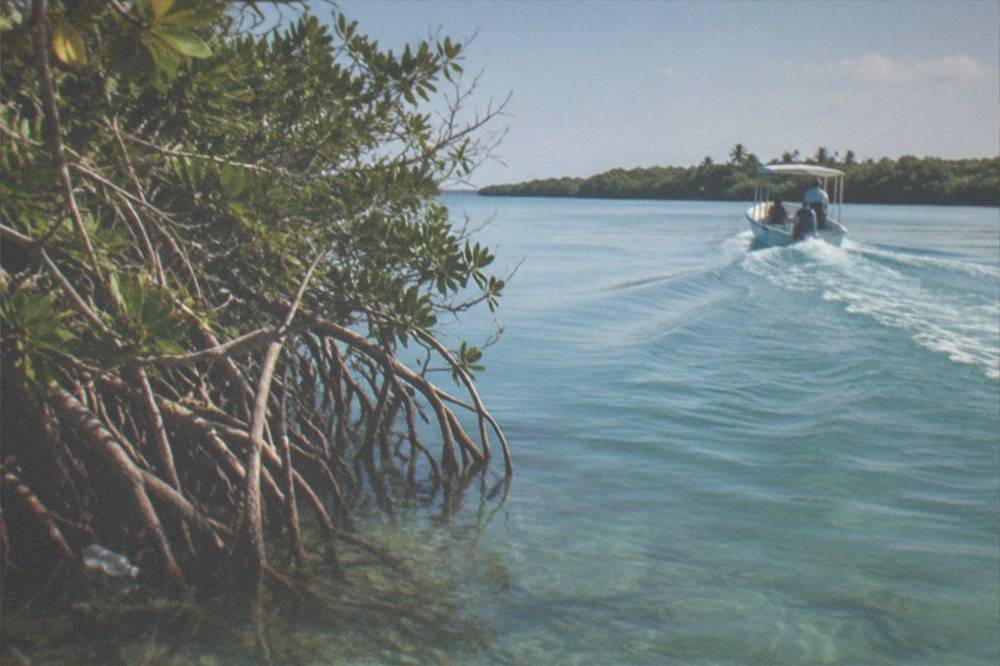
Sian Ka'an also explains a piece of Tulum's mystique that rarely gets said out loud. The town's reputation for pristine nature exists because the state drew a hard line at its southern boundary when the reserve was designated. Without that line, Tulum's beach would likely continue as one unbroken strip of development toward the Sian Ka'an coastline. With it, travelers get both the famous strip and, twenty minutes south, a coastline that still looks the way the whole coast looked forty years ago.
Why Do Some Travelers Say Tulum Lost Its Charm?
Some travelers say Tulum lost its charm because the bohemian fishing-village character that made it famous, empty beaches, cheap cabañas, a low-key scene, was priced out by the very success it created, with upscale hotels, high restaurant prices, crowds, and visible rapid construction. Crime data cuts the other way, with Tulum's homicide count falling sharply in 2025 and the town exiting national high-violence rankings.
The complaint is as much a part of Tulum's fame as the postcard. Search for the town alongside words like "overrated" and you will find a decade of essays mourning the version of Tulum that existed before the writer arrived. There is truth in it: the town grew from a few thousand residents into a municipality of well over forty thousand, water infrastructure lagged behind hotel construction for years, and prices on the beach road now rival any premium resort destination. The party scene, including jungle clubs that drew international DJs, at times collided loudly with the town's wellness identity, and noise and environmental criticism followed.
The safety question deserves precision rather than vibes. Quintana Roo as a state sits at Level 2, exercise increased caution, in the US State Department's advisory, the same advisory level applied to the whole country's main tourist regions, with guidance to stay alert after dark in downtown areas and keep to well-lit tourist zones. Tulum's own trend, however, improved markedly, with the homicide decline noted above and violent-impact crimes down overall. Visitors are far more likely to encounter petty theft or a bar tab dispute than anything else. For a deeper treatment, read is Tulum safer than Cancun alongside why did people stop going to Tulum, which unpacks the crowd and price backlash in detail.
The fair verdict is that Tulum did not lose its charm so much as split it. The empty-beach, two-dollar-taco Tulum is gone, but the ruins are as dramatic as ever, the cenotes are as blue as ever, and Sian Ka'an is as wild as ever. What changed is the town between them, and travelers who budget for that reality, or who day-trip in from Playa del Carmen rather than paying beach-road hotel rates, mostly report the trip they expected. Those weighing Tulum against its calmer neighbor can compare Tulum or Akumal for a quieter base.
How Do You Build The Perfect Tulum Day From Playa Del Carmen?
The best single-day formula from Playa del Carmen is ruins first at the 8:00 opening, a cenote after midday when the archaeological zone gets hot and crowded, and an early evening back on 5th Avenue, leaving around 7:30 AM and returning by dinner. A combined tour handles all three for from $34.05, while a private guide version runs from $214 and adds Coba's jungle-climbed pyramid history.
The logic of the sequencing is simple. The ruins are best cool and empty, cenotes are best when the midday sun makes the open site uncomfortable, and the drive is short enough that a 12-hour day is unnecessary. Independent travelers can do the whole thing with colectivos and cash for under $40 per person if they are disciplined. The trade is convenience: entrance layers, transport connections, and timing decisions all fall on you, and the fee confusion at Tulum described earlier catches plenty of self-drivers off guard.
The private alternative swaps efficiency for depth. The Coba private tour in the roster, combining the ruins with a cenote swim, holds a 5.0 rating from 88 reviews and starts from $214. Coba adds something Tulum's compact site cannot: scale. Its network of sacbe causeways links clusters of pyramids deep in forest, several still half-swallowed by vegetation, and its great pyramid, one of the few large Yucatan structures whose stairway has been climbable in recent years, gives a jungle canopy view that no clifftop can match. The site sits roughly 45 minutes inland from Tulum, with foreign entry at 210 MXN, plus the reported ejido community fee around 120 MXN and parking.
Whichever way you assemble the day, two small preparations pay for themselves. Pay the VISITAX visitor tax online before your trip, roughly 283 MXN, about 15 USD, for foreign visitors of all ages through the official portal, since it is generally not bundled into airfare. And pack biodegradable sunscreen, mentioned earlier, because the rules apply at the cenote stops too. Do those two things and the day runs itself.
Tulum's fame, in the end, is not one thing but a stack: a walled seafront city that no other coastline can offer, a wellness culture that turned a beach into a brand, cenotes and a biosphere that keep the nature real, and a growth story loud enough that even the complaints advertise the place. For a destination that was a fishing village within living memory, that is a remarkable thing to be famous for.
Common Questions About Tulum
Why Is Tulum So Famous?
Tulum is famous for the only major Mayan ruins built on a Caribbean sea cliff, a global wellness and yoga scene that grew from a bohemian beach town, freshwater cenotes in the surrounding jungle, and the protected Sian Ka'an biosphere at its southern edge. The combination of archaeology, beach, and bohemian brand is something no other town on the coast can replicate.
Can you climb the ruins at Tulum?
No. Climbing and entering the structures at the Tulum archaeological zone is prohibited, with roped paths and enforced viewing distances, a policy in place since at least the mid-1990s. Visitors walk the paths and view the buildings, including El Castillo and the Temple of the Frescoes, from designated areas. The payoff is the clifftop setting itself and the beach cove below it.
How much does it cost to enter the Tulum ruins?
Foreign visitors should budget roughly $15 to 30 USD per adult, about 265 to 625 MXN combined, because the fee is layered: an INAH base admission plus GAFSACOMM and CONANP protected-area components. The exact structure has been adjusted more than once recently, so confirm the day-of total at the gate rather than trusting a single quoted figure.
Is Tulum worth visiting if you are staying in Playa del Carmen?
Yes, as a day trip. Tulum is roughly 50 to 75 minutes south by road, and a combined tour covering the ruins and a cenote starts from $34.05 with transport included. Going independently by colectivo costs around 50 to 80 MXN each way. The trade-offs are convenience versus flexibility, and the crowd timing at the ruins, which open at 8:00 and get busy from mid-morning.
What is the best month to visit Tulum?
November through April, the dry season, offers the most comfortable weather and the cleanest, most seaweed-reliable beaches, since peak sargassum historically falls between June and August. December to March is the busiest stretch. September and October are the quietest and cheapest months, though they sit in the peak of the official hurricane season, which runs June 1 to November 30.
Is Sian Ka'an worth adding to a Tulum trip?
For wildlife and untouched coastline, yes. The UNESCO biosphere south of Tulum caps development and offers mangrove and lagoon boat trips, Maya canal floats, and the fishing village of Punta Allen, with a CONANP entry fee of 225 MXN per person per day. Full-day tours from the Playa del Carmen area typically run $189 to $234 per adult, with shorter Muyil-focused options starting around $50.