Why Did People Stop Going To Tulum? The Real Story
An honest look at why Tulum's buzz cooled: record seaweed years, rising prices, safety headlines, and what the town is actually like for visitors booking a day trip from Playa del Carmen today.
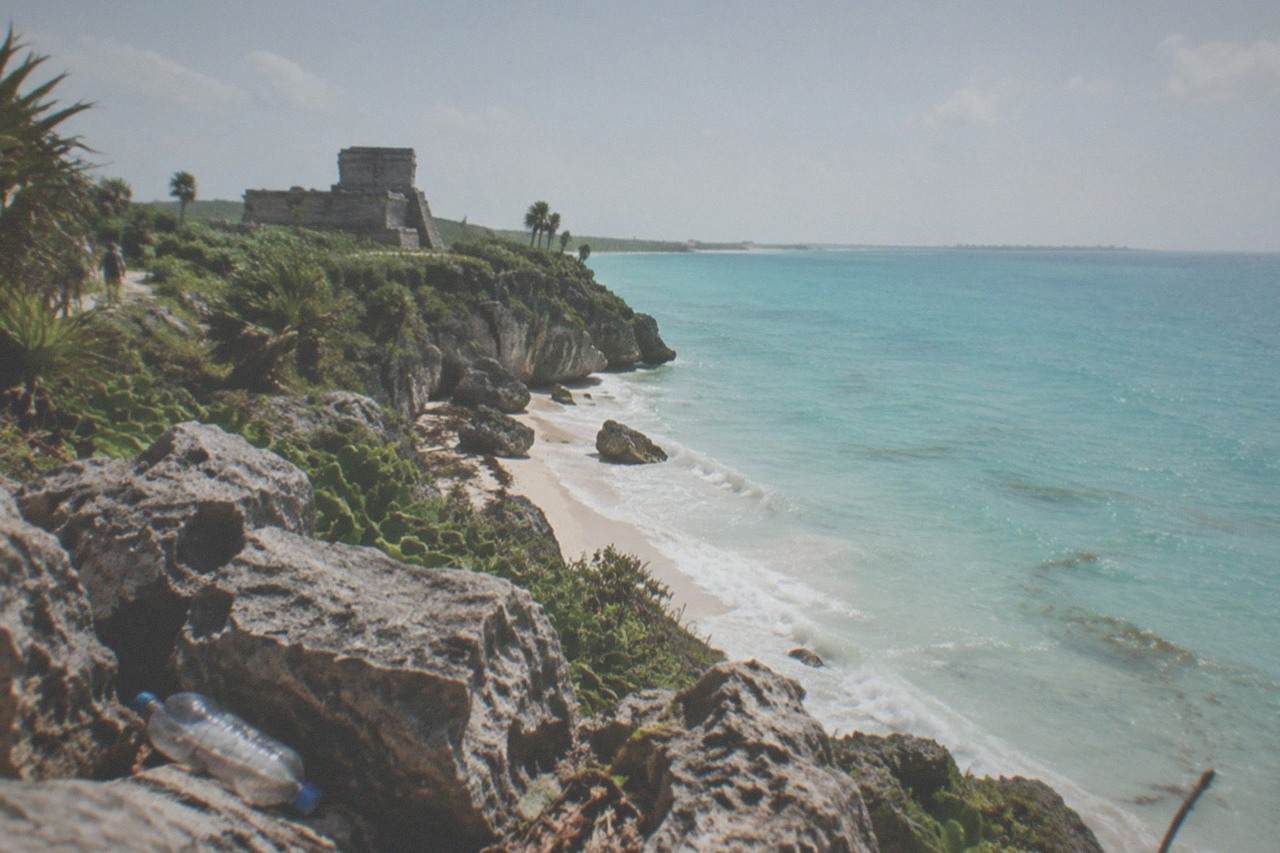
Why Did People Stop Going To Tulum? The Real Story
Tulum's slowdown is real but misread. Three forces stacked up: a 2026 seaweed year that smashed collection records in Quintana Roo, prices that climbed faster than the experience improved, and crime headlines that made the town shorthand for "over it." Yet the site itself remains a compact, world-class ruin on a cliff, 50 to 75 minutes from Playa del Carmen, and local crime data moved the opposite direction of the narrative.
Tulum's rise was one of the fastest in Caribbean travel. A fishing and backpacker town in the 1990s became, within two decades, a global byword for beach clubs, yoga retreats and cenote photos. That speed of change created the conditions for the backlash. When a destination raises its room rates steeply while its roads, water supply and beach quality struggle to keep pace, the gap between expectation and reality widens quickly, and social media turns on the same places it once promoted.
The cooling off shows up in how people talk about the town more than in hard visitor statistics for the ruins themselves. Ask a returning traveler why they are skipping Tulum this time and you usually get one of four answers: the seaweed, the cost, the safety headlines, or the sense that the place "sold out." Each of those is worth separating from the others, because two of them are seasonal and fixable, one is largely misreported, and one is genuinely a matter of taste.
None of this means the day trip stopped making sense. The town of Tulum and the archaeological zone are different experiences with different problems, and the ruins are the part that has not degraded. If you are weighing a Tulum day from Playa del Carmen, the honest reading of the situation matters more than the mood online, and a good starting point is the overview of Tulum tours from Playa del Carmen, which covers the operators, routes and price bands for the current season.
For a broader frame on how the destination stacks against its neighbors, the comparison piece on Riviera Maya versus Playa del Carmen separates the region from the towns inside it, which is a distinction Tulum's critics often blur.
Did Seaweed Really Drive Visitors Away?
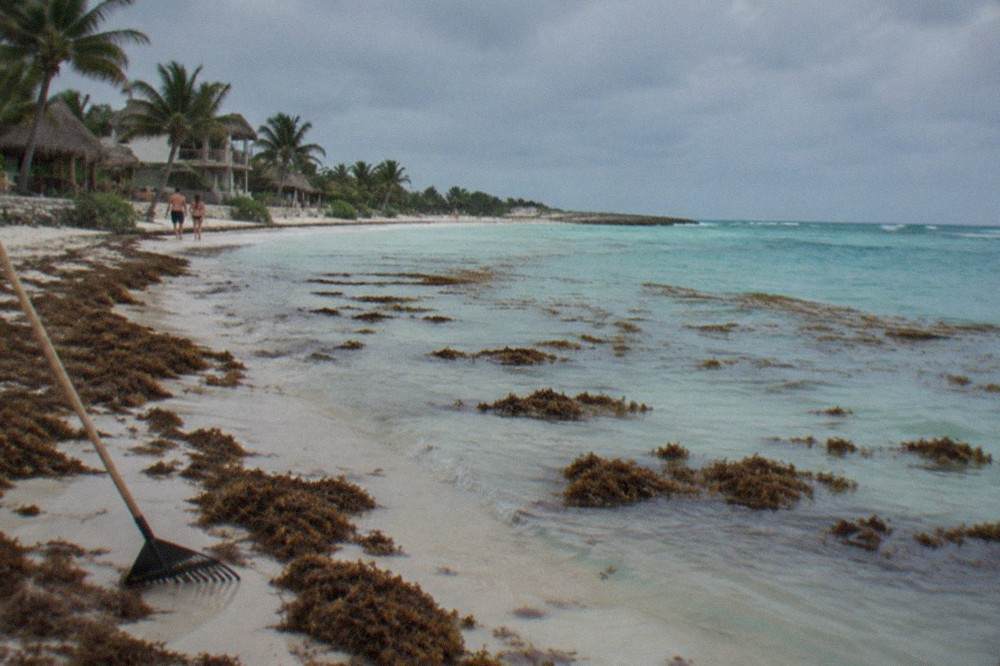
Seaweed is the most concrete of Tulum's problems, and 2026 was a historically bad year. Quintana Roo collected roughly 133,647 tons of sargassum through mid-September 2026, beating the previous record set in 2025, and sargassum was present on 135 of 140 monitored beaches in late September. The arrival is seasonal, peaking between May and August and easing through the autumn into the clean November-to-April window.
Sargassum is a floating brown algae that drifts in from the Atlantic in enormous mats. When it washes ashore it rots, smells, and turns a postcard beach into a clean-up operation. The Riviera Maya sits on an exposed east-facing coast, so Tulum, Playa del Carmen and points south catch it directly. Satellite monitoring by the University of South Florida's Optical Oceanography Lab recorded record Caribbean abundance in June 2026, with Gulf totals near 5 million metric tons, nearly double the prior record. By late August the totals had dropped substantially, and the local monitoring network reported volumes falling sharply in September compared with August.
What that means practically is that seaweed did, genuinely, spoil a share of beach vacations in recent seasons. Weddings were moved, swimming days were lost, and boat snorkeling off exposed beaches sometimes rerouted. The state and the navy run barriers, vessels and manual crews, and hotels rake daily, so conditions vary beach by beach and day by day. But nobody can promise a clean east-facing beach between May and October, and a traveler who booked a Tulum beach club week in July of a record year has a legitimate grievance.
The seasonal pattern is predictable enough to plan around. November through April is the reliable window, which also happens to be the dry season; the official NOAA Atlantic hurricane season runs June 1 to November 30 with peak activity typically from August to October, overlapping the worst of the seaweed months, per the NOAA hurricane climatology reference. A visitor who arrives in late November gets cooler air, clearer water and thinner crowds, which is one reason the "Tulum is ruined" stories and the "Tulum is perfect" stories are often just describing different months.
| Period | Typical seaweed condition | Typical weather | Crowd level |
|---|---|---|---|
| November to April | Lowest, most reliable | Dry season, milder | High December to March, calm late April |
| May to July | Rising, often heavy | Hot, humid, first storms | Moderate |
| August to October | Peak influx, easing late | Peak hurricane months | Lowest, value season |
The honest summary is that seaweed alone did not kill Tulum, but two record years back to back did real damage to its image precisely when its prices were at their most ambitious. The timing could hardly have been worse.
Did Tulum Get Too Expensive?
Yes, in the specific sense that Tulum's hotel, beach club and restaurant prices detached from the rest of the Riviera Maya, while the core sight, the ruins, stayed relatively cheap. Combined entry fees for the archaeological zone run roughly 265 to 625 MXN for foreign visitors depending on which components are bundled that day, and a day tour from Playa del Carmen starts at $34.05. The backlash is about the town's price level, not the ruin's.
The price story is easiest to see as a layering. At the bottom sits the archaeological zone, which is a public site with official fees: the INAH base admission plus additional CONANP and park components. The exact split has been adjusted more than once recently, which is why the honest number is a range, not a single figure; the current breakdown is tracked at the Tulum ruins fee reference. On top of that sits the town, where boutique hotels pushed peak-season rates toward levels more associated with design capitals than with a beach town on the Yucatan coast, beach clubs charge per-person minimums, and restaurants imported a big-city price structure along with their design sensibility.
The gap between those layers is the source of most anger. A traveler can see one of the most photogenic Maya sites on the coast for the cost of a decent lunch in town, and then spend several times that on a cabana and a cocktail. Reviews calling Tulum a "tourist trap" usually describe the second layer, not the first. The ruins themselves are compact, walkable in a couple of hours, and cannot be ruined by a hotel pricing strategy.
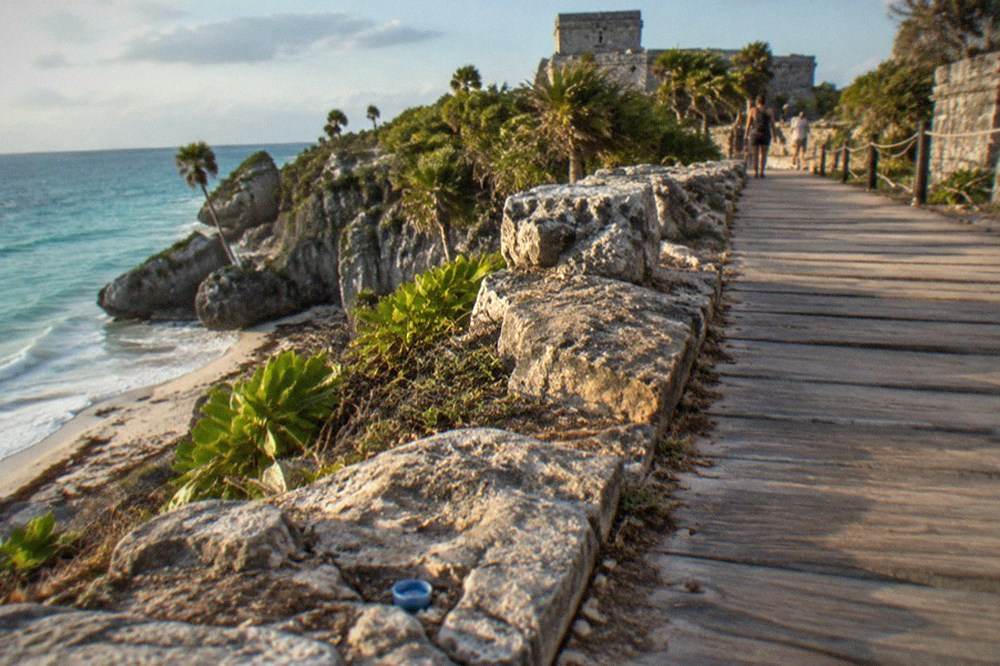
For the value question, the shared-group tour actually strengthened as the town inflated. The Tulum Ruins, Cenote Mariposa and Playa del Carmen excursion carries a 4.6 rating across 446 reviews and starts at $34.05, which covers transport, the ruins visit and a cenote swim, three line items that would cost considerably more booked separately from Tulum town on the day. Its 446-review pool is one of the larger ones in this category, which is worth noting because small operators elsewhere on this coast often show strong ratings built on a handful of reviews.
There is also a planning footnote that belongs on any Quintana Roo cost list: the state visitor tax, VISITAX, runs about 283 MXN, roughly $15, for foreign visitors of all ages and is generally not bundled into airfare. It is paid online before departure through the official VISITAX portal. It is small, but it is the kind of unadvertised add-on that feeds the feeling of being nickeled and dimed, and Tulum caught that mood harder than most places.
Is Tulum Nicer Than Cancun?
Neither is objectively nicer; they serve different trips. Cancun is a purpose-built hotel-zone resort city with direct flights, big all-inclusives and nightlife, while Tulum is a low-rise, eco-boutique town with a biosphere at its back and a famous ruin on its cliff. Travelers who want polish and predictability pick Cancun; travelers who want a quieter, more designed, more nature-adjacent base pick Tulum, and both are right.
The comparison usually goes sideways because people argue about the wrong axis. On infrastructure, Cancun wins without debate: the hotel zone is engineered for tourism, transport is simpler, and recovery from any disruption is faster. On setting, Tulum wins for many tastes: no towers, beach-front ruins, cenotes inland, and the Sian Ka'an Biosphere Reserve stretching south of town. The trade is infrastructure for atmosphere. The wider set of guides lives on Tours in Playa del Carmen.
| Factor | Cancun | Tulum |
|---|---|---|
| Base character | High-rise hotel zone, resort city | Low-rise town, boutique and eco hotels |
| Signature sight | Beach and nightlife | Clifftop Maya ruins, cenotes, biosphere |
| Getting there | Major international airport on the doorstep | Transfer from Cancun airport, roughly 90 minutes onward |
| Price level in peak season | High but competitive, many tiers | High with fewer budget tiers |
| Best for | Predictable resort stays, groups, nightlife | Design-led stays, nature day trips, slower pace |
The honest verdict for a Playa del Carmen-based reader is that the Cancun-versus-Tulum debate barely applies to you. You are already staying in the town that splits the difference: walkable, mid-priced by Riviera Maya standards, and within an hour of both. From Playa del Carmen, Tulum is a 50 to 75 minute drive down Highway 307, roughly 63 to 74 km, which makes it a comfortable morning-and-back excursion rather than a base-camp decision.
What About Safety Headlines?
Tulum's safety reputation took a beating from a handful of violent incidents in recent years, but the trend runs against the narrative: homicides in Tulum municipality dropped sharply, by roughly 61 percent, and the town exited national high-violence rankings. Quintana Roo as a whole sits at US State Department Level 2, "Exercise Increased Caution," the same advisory level applied to the country generally.
The headlines were real, and they mattered. A shooting at a Tulum restaurant terrace and a later incident near the beach killed bystanders, and international coverage seized on them. Tourism is the state's economic backbone, so the response was swift: National Guard deployments, screening at the archaeological zone, and a sustained federal and state enforcement push. The measurable result has been a steep decline in homicides in the municipality, with local reporting noting the town had left the national high-violence list entirely.
Context matters for reading the advisory level too. Level 2 is a broad caution applied across Quintana Roo, including Cancun, Playa del Carmen and Cozumel, and its guidance is behavioral: stay aware after dark in downtown areas, keep to well-lit pedestrian streets and tourist zones. That is sensible advice for most of the Americas. The incidents that do reach visitors in this region are overwhelmingly petty theft and disputes unconnected to tourism, not targeted attacks, and the ruins, beaches and hotel zones are the most patrolled spaces in town.
For the ruins visit itself, the practical reality is unglamorous: you arrive, you pay the combined entry fees, you walk a roped loop past the temples, and you leave. Climbing and entering most structures has been prohibited for conservation since the 1990s and is consistently enforced. The Temple of the Frescoes interior, for example, is not accessible. Visitors who arrive expecting to explore interiors sometimes read that as decay, but it is standard protection policy at every major Maya site on the coast.
What Is Tulum Actually Like Now?
Quieter, cheaper in the off-season, and still genuinely distinctive. The town keeps its low-rise character, the cenote circuit inland is as good as ever, Sian Ka'an remains one of the most underrated biosphere trips on the coast, and the seaweed season, which drove so much of the 2026 negativity, eases sharply from late September into the clean November-to-April window. The core problems are episodic, not permanent.
A fair visit today looks nothing like the worst-case version online. Arrive at the archaeological zone for the 8:00 AM opening and you get the cliff, the sea and the temples before the mid-morning congestion, which peaks roughly between 10 AM and 3 PM with tour buses and weekend crowds. Drive 20 minutes inland and the cenotes, Azul, Jardín del Edén, Casa Cenote and the rest, are the same freshwater systems that built the town's reputation, with entry fees in the single and low double digits in dollars and cash preferred at most gates.
South of the ruins, the Sian Ka'an Biosphere Reserve, a UNESCO site, remains the coast's most under-visited major attraction. The official CONANP entrance fee is 225 MXN per person per day, and full-day boat tours through the lagoons and canals, with dolphin and turtle sightings and lunch in Punta Allen, commonly run a long day from Playa del Carmen hotels. The Sian Ka'an Day Trip covering dolphins and turtles is priced from $194 and holds a 4.9 rating, though its review pool of 38 is still small enough that the number should be read as a strong start rather than settled consensus.
What the town lost in buzz it partly gained back in value. Off-season rates at hotels that were unaffordable at the peak now soften meaningfully from late April through October, restaurant reservations are gettable, and the beach clubs that once enforced minimum spends now negotiate for business in the quiet months. The travelers who stopped going were largely chasing the scene; the ones who still go are chasing the coast, and the coast did not go anywhere.
How Do You Visit Tulum Well?
Go early, go from Playa del Carmen rather than staying over, bundle the ruins with one inland stop, and time the season. Arrive at the 8:00 AM opening at the archaeological zone, expect combined entry fees in the roughly 265 to 625 MXN range for foreign visitors, and use the shoulder months, late April to early June or late September through October, if you want value and can accept some seaweed risk.
The single highest-impact decision is the time of day. The zone opens at 8:00 AM daily, with last entry mid-afternoon, and the difference between 8 AM and noon is the difference between a serene clifftop walk and a conga line of tour groups. Sunday brings heavier local turnout because of discounted national entry, so weekday mornings are quietest, Tuesday and Wednesday especially. Colectivos between Playa del Carmen and Tulum run frequently and cheaply, roughly 50 to 80 MXN per person, if you would rather not book a shared vehicle.
The second decision is what you pair the ruins with. The ruins alone need a couple of hours, so most day trippers add a cenote, and the inland circuit around the town holds the best of them. For travelers who want the fuller Maya-site experience without the long haul to Yucatan state, the Coba Private Tour combining the ruins with a cenote swim is a 5.0-rated option from $214 with an 88-review pool, and Coba's foreign entry fee is 210 MXN per the official INAH listing. Coba is the site where you can still walk the ancient causeways under jungle canopy rather than across open lawns, a contrast many visitors prefer to the cliff-and-crowds formula.
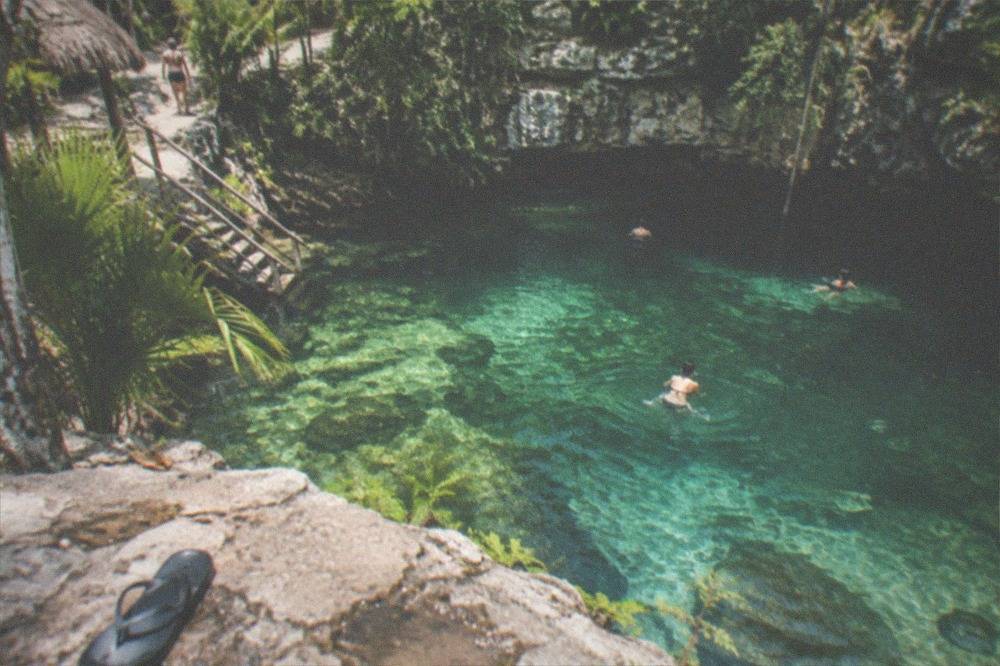
Pack for the reality rather than the fantasy: cash in pesos for gates and colectivos, mineral or biodegradable sunscreen because conventional sunscreen is commonly refused at managed cenotes and marine sites, water, and shoes that can handle limestone paths. Then set expectations deliberately. This is a site you look at from the walkway, not a castle you climb, and it is a town you visit for what is around it, the sea, the freshwater, the biosphere, rather than for a scene that no longer exists.
That is the real story of why people stopped going to Tulum, and why plenty still do: the hype inflated, the seaweed came, the prices overshot, and the headlines were scary for a season. Strip all of that away and the ruins on the cliff, the cenotes inland and the biosphere to the south are exactly what they always were, sitting less than an hour from Playa del Carmen. The traveler asking the honest question usually finds the honest answer is a day trip, not a write-off.
Common Questions About Why People Stopped Going To Tulum
Why Did People Stop Going To Tulum? The Real Story
A stack of fixable and unfixable factors: two record sargassum years back to back, hotel and beach club prices that climbed past the experience, safety headlines from a handful of violent incidents in recent years, and a media cycle that turned on the town it had built up. Underneath all of it, the ruins, cenotes and biosphere are unchanged and remain an easy day trip from Playa del Carmen.
Is Tulum nicer than Cancun?
They serve different trips. Cancun offers purpose-built resort infrastructure, direct flights and nightlife; Tulum offers low-rise character, clifftop ruins, cenotes and a biosphere. Neither is objectively nicer, and from Playa del Carmen both are simple excursions rather than bases you must commit to.
Is it safe to visit Tulum now?
Quintana Roo, including Tulum, carries a US State Department Level 2 advisory, "Exercise Increased Caution," with standard guidance about after-dark awareness in downtown areas. Homicides in Tulum municipality dropped by roughly 61 percent in 2025 against 2024, and tourist zones are heavily patrolled. Visitor incidents are overwhelmingly petty theft, not targeted violence.
How much does it cost to enter the Tulum ruins?
Combined entry for foreign visitors runs roughly 265 to 625 MXN, because the INAH base admission is joined by additional CONANP and park components that have been adjusted more than once recently. Confirm the day-of total on-site or through the official ticket channel rather than trusting a single quoted number.
When is the best time to visit Tulum to avoid seaweed and crowds?
November through April is the cleanest and most reliable window for both seaweed and weather, though it is also the busiest stretch. For value, late April to early June or late September through October brings lower prices and thinner crowds, with some sargassum risk. Whatever the month, arrive at the 8:00 AM opening to beat the mid-morning tour groups.