Is Chichen Itza Mayan Or Aztec?
Chichen Itza is a Maya city, built centuries before the Aztec empire existed. Here is why the two civilizations get confused, and how to visit from Playa del Carmen.
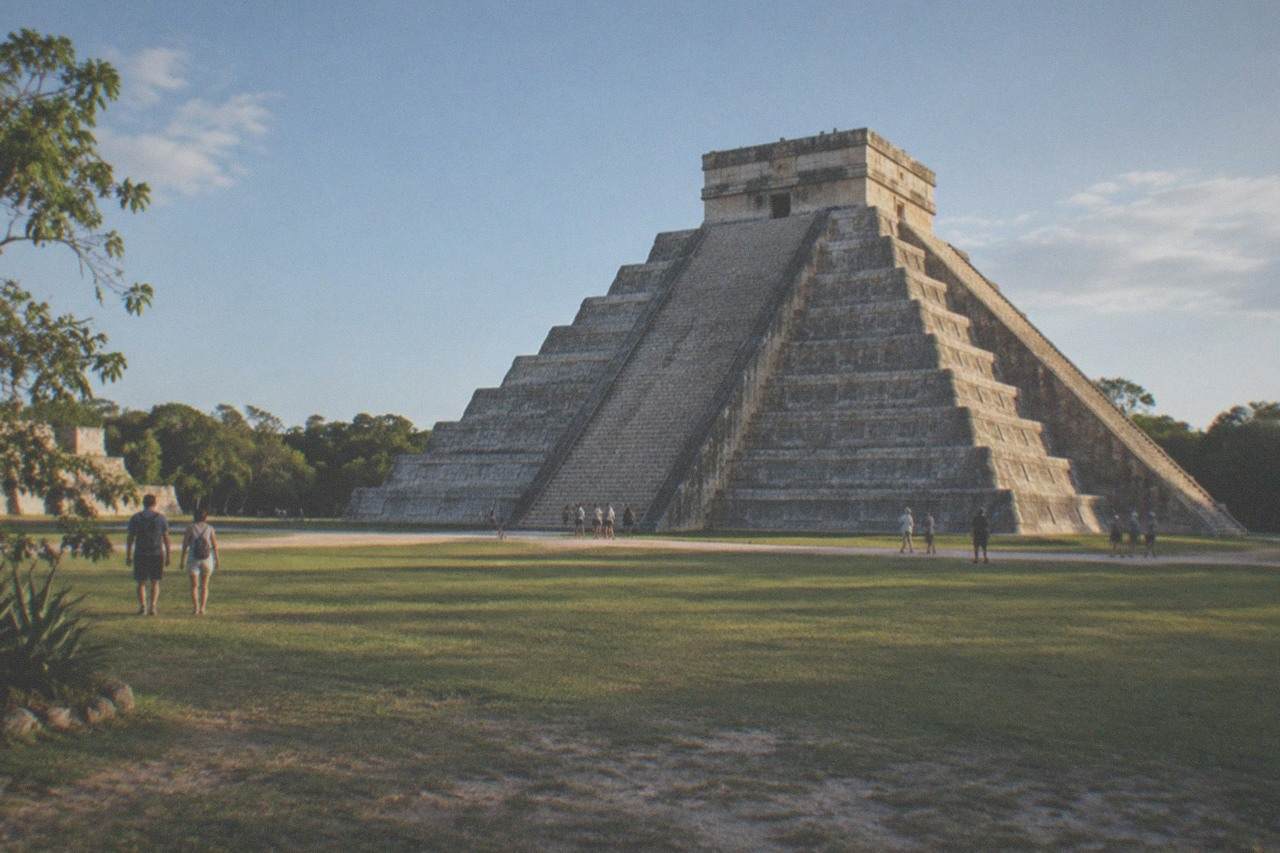
Is Chichen Itza Mayan Or Aztec?
Chichen Itza is a Maya city. It was founded, built and ruled by Maya speakers in the northern Yucatan centuries before the Aztec empire existed anywhere. The Aztecs never controlled it, and there is no evidence they ever set eyes on it. The confusion comes from a real central Mexican influence in its later architecture, which has nothing to do with the Aztecs themselves.
The Maya were never a single empire with one capital, the way many people picture "ancient Mexico." They were a network of independent city-states sharing a language family, a calendar system, a writing tradition and a religion, spread across what is now southern Mexico, Guatemala, Belize and parts of Honduras. Chichen Itza was one of those city-states, and for a stretch of several centuries it was the most powerful one in the northern Yucatan lowlands. Its great pyramid, El Castillo, is a temple to Kukulkan, the Maya feathered serpent deity, and its layout follows Maya cosmology, not anything from the Valley of Mexico.
The Aztecs, by contrast, were a much later power in a much different place. Their empire, with its capital at Tenochtitlan on the site of modern Mexico City, rose in the centuries just before the Spanish arrived, roughly a thousand kilometers west and north of the Yucatan. Their language was Nahuatl, not a Maya language. They traded along routes that reached far, but the Aztec state never extended into Maya territory, and Chichen Itza had already faded as a political center long before Tenochtitlan was anything more than a lake island settlement. When the Spanish marched into the Yucatan, they fought Maya cities, not Aztec ones.
So where does the mix-up come from? Partly from a single word, "Aztec," being used loosely for anything pre-Hispanic in Mexico. Partly from the visual shorthand of a stepped pyramid, which both civilizations built, because both inherited the idea from older Mesoamerican traditions. And partly from a genuinely puzzling chapter in Chichen Itza's own history, when its architecture started to look strikingly like the style of central Mexico. That chapter involves the Toltecs, not the Aztecs, and it is worth understanding before you visit.
If learning what the place actually is makes you want to stand in front of it, these are the three strongest ways to get there from Playa del Carmen:
Each of those options is built around the same practical reality: the site is two-plus hours from the coast, opens at 8:00 AM, and gets crowded by late morning, so departure time shapes the whole day. The guide to Chichen Itza tours from Playa del Carmen breaks down the tradeoffs in detail, and the question of why you can't go inside Chichen Itza follows naturally from the preservation rules below.
Who Built Chichen Itza, And When?
The city was built by Itza Maya, a Maya lineage that made the site a regional capital as the older cities of the southern lowlands declined. Its monumental core rose across the late Classic and Terminal Classic periods, and by the time the Spanish arrived it had long been a pilgrimage and ceremonial center rather than a living capital. The buildings you walk past today are Maya work from start to finish.
The name itself says so. "Chichen Itza" is a Maya phrase, and the Itza were a Maya-speaking group whose name became attached to the city they dominated. Archaeologists generally read the site's growth as a northern story: as the great southern Maya cities lost population and prestige, power and people shifted north, and Chichen Itza absorbed that energy. Its sacred cenote, the great sinkhole that gave the city part of its ritual identity, was a focus of offerings for centuries. Dredging that cenote recovered gold, jade, copper and human remains, which is the clearest possible signature of sustained, organized Maya ritual practice.
The city's own layout is Maya cosmology in stone. El Castillo is a calendar as much as a temple: its staircases and platforms encode the solar year, and on the equinoxes the late afternoon sun casts a shadow that reads as a serpent sliding down the north staircase. In 2026 that effect falls around March 20 to 21 in spring and September 21 to 23 in autumn, visible roughly between 3:00 and 5:30 PM and peaking for about 30 to 45 minutes. The serpent being honored is Kukulkan, the Maya version of the feathered serpent, and the Maya were tracking that shadow with intention, not accident.
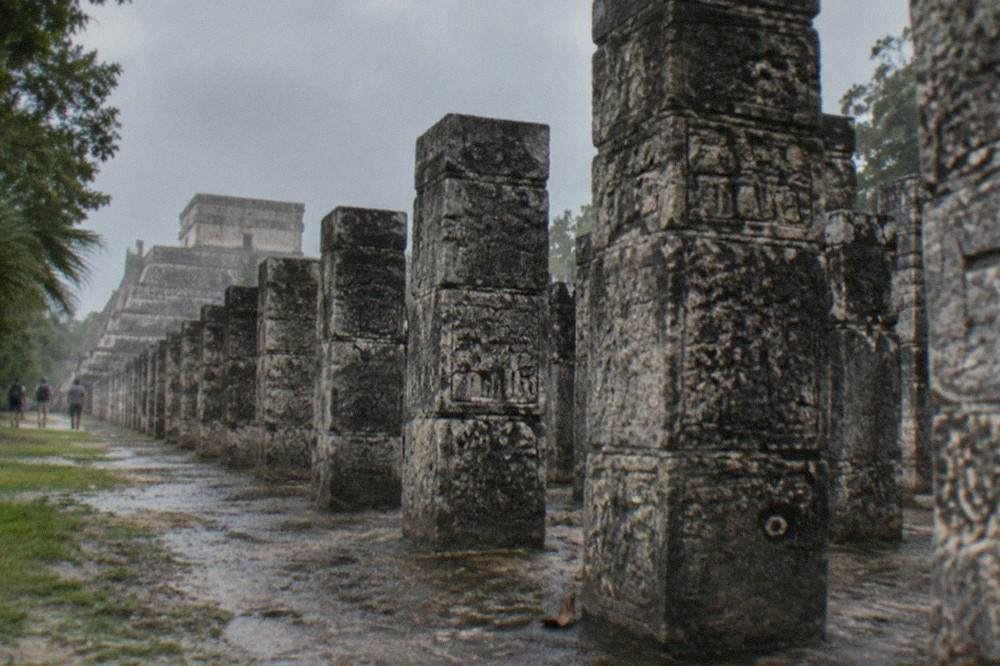
Later construction at the site, including the Great Ball Court, the largest in Mesoamerica, and the Group of a Thousand Columns, shows the central Mexican stylistic infusion covered in the next section. But note what that infusion changed: decoration and iconography, not the underlying engineering, city planning or ritual geography. The cenote stayed central. The calendar stayed encoded. The builders stayed Maya. The site's decline as a political center came well before the Aztec empire's rise, after which it remained a ceremonial destination, which is precisely why it was still a functioning Maya sacred place when the Spanish reached the Yucatan.
Why Do People Confuse The Maya With The Aztec?
The confusion has three sources: pop culture collapses every pre-Hispanic Mexican civilization into "the Aztecs," the stepped pyramid has become a generic visual shorthand for all of them, and Chichen Itza genuinely shows central Mexican architectural influence, from the Toltecs, centuries before the Aztecs existed. The Maya and the Aztecs were different peoples, in different regions, speaking unrelated languages, at different times.
The overlap in imagery is real. Both civilizations raised stepped stone pyramids with temples on top, both practiced ritual ballgames, both engaged in human sacrifice, and both worshiped a feathered serpent. But none of that makes them the same people, any more than Rome and Greece become one civilization because both built colonnaded temples. The stepped pyramid, the ballgame and the feathered serpent are older Mesoamerican inheritances that both civilizations drew from a shared deep past.
| The Maya | The Aztecs | |
|---|---|---|
| Heartland | Yucatan, Chiapas, Guatemala, Belize | Valley of Mexico, central highlands |
| Language family | Maya languages | Nahuatl |
| Political shape | Independent city-states | A single tributary empire centered on Tenochtitlan |
| Peak era | Centuries before the Spanish arrival, with Chichen Itza prominent in the north | The final centuries before contact, later than Chichen Itza's peak |
| Feathered serpent | Kukulkan | Quetzalcoatl |
| Relationship to Chichen Itza | Built and ruled it | Never controlled it |
The feathered serpent row is the hinge of the whole confusion. When archaeologists found serpent columns, warrior reliefs and chac mool reclining figures at Chichen Itza, objects that looked strikingly like artifacts from Tula, the Toltec capital in central Mexico, two readings emerged. One camp argued Toltecs invaded or migrated in and took over, imposing their style. The other argued Maya elites deliberately imported a fashionable central Mexican style to advertise their reach and legitimacy. Modern scholarship leans toward the second, local rulers borrowing prestigious foreign forms, but the debate is live, and either way the borrowing was from the Toltecs, a central Mexican power that had already collapsed long before the Aztecs rose in the same region.
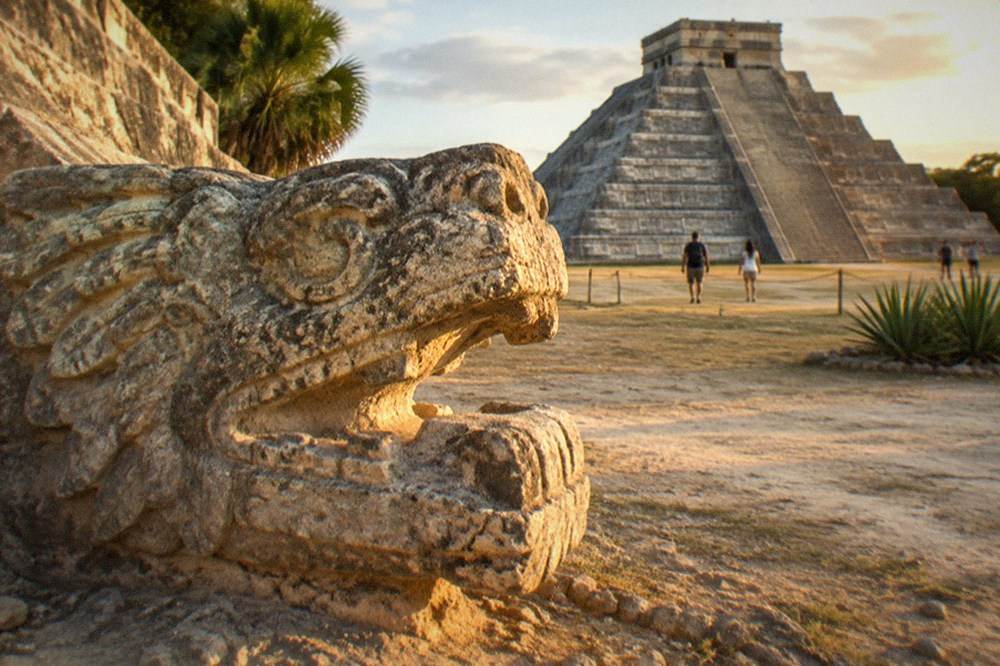
That distinction matters for how you read the stones. When you stand in front of El Castillo and see the feathered serpent heads at the pyramid's base, you are looking at a Maya god, carved by Maya hands, in a form that happened to echo a central Mexican fashion. The serpent itself, the calendar encoded in the building and the ritual cenote at the other end of the causeway are local through and through. Knowing which elements are borrowed and which are native turns a photo stop into something you can actually read.
What Did The Toltecs Actually Do At Chichen Itza?
The Toltec connection is stylistic, not a conquest that made the city Aztec or Toltec. A body of later buildings, El Castillo included, carries central Mexican motifs: serpent columns, warrior reliefs, reclining chac mool figures and a stepped talud-tablero style of facade. Maya rulers appear to have adopted these forms as a prestige language from Tula, or received a Toltec-influenced elite, and the question is still argued.
Walk the site and you can see the seam. The older, southern-style buildings of the Puuc tradition, with their intricate stone mosaic facades, sit alongside the later plaza of columns and serpent imagery that has central Mexican fingerprints. The Temple of the Warriors, with its forest of square columns carved with warrior figures, and the Venus Platform, are the clearest examples. This is precisely the material that misled early visitors and writers: if it looks central Mexican, and the Aztecs are the famous central Mexicans, then surely this is Aztec. The chain of logic is understandable and wrong, because the Toltecs were the central Mexican power in play, and Tula had already fallen before the Aztec Triple Alliance formed. Everything else covered here is indexed on Tours in Playa del Carmen.
There is also a defensible reason the average visitor cannot be expected to disentangle any of this on sight. Standard tours move fast, the signage is thin, and the differences between Puuc, Toltec-style and Maya cosmological layout are specialist knowledge. What carries the answer is simply sequence: the Toltec-influenced phase at Chichen Itza sits in the Terminal Classic and early Postclassic centuries, long before any Aztec state existed to leave a mark. Whatever happened at this plaza, the Aztecs were not a party to it.
Can You Still Climb The Pyramid At Chichen Itza?
No. Climbing El Castillo has been prohibited since 2006, following a fatal accident, and the ban has been fully enforced across the structure and its neighbors since around 2008. Barriers, ropes and a roughly 15-meter minimum viewing distance, tightened around April 2025 for erosion protection, are actively patrolled. Violations can mean removal from the site, fines or legal action, and the interior chambers remain closed.
The rule is not a formality. Guards watch the pyramid, the barriers are physical, and the fines are real. This is one of the most common surprises for visitors who remember older photographs of people on the stairs, and it is the single most reliable thing to set expectations about before you go. The same conservation logic explains a related restriction, why visitors cannot enter most structures: paths wind around the site and you view the buildings from designated areas, a policy in place since at least the mid-1990s.
If you cannot climb the pyramid, the next best thing is to see it before the crowd does. The site opens at 8:00 AM, last entry is 4:00 PM, and the quietest windows are weekdays at opening, with Tuesday and Wednesday typically the calmest days. The Chichen Itza, Valladolid, Cenote and Buffet tour from Playa del Carmen is built for exactly that pacing, rated 4.5 across 954 reviews and priced from $93, and the same logic applies to any option you book: the earlier the wheels leave, the better your hour at El Castillo.
One practical footnote that belongs with the climbing question: the equinox dates, around March 20 to 21 and September 21 to 23, draw the biggest crowds of the year precisely because the serpent shadow effect is at its clearest. If seeing the shadow matters more to you than elbow room, plan for those dates and arrive early. If elbow room matters more, come any ordinary Tuesday.
How Do You Visit Chichen Itza From Playa Del Carmen?
The site sits roughly 182 km from Playa del Carmen via toll roads, about 2 to 2.5 hours each way under good conditions. Full-day tours from the coast typically run 10 to 11 hours total, with hotel pickup around 7:00 to 8:00 AM and return by early evening. The site is open daily from 8:00 AM to 5:00 PM, and many tours bundle entry, guide, lunch and a cenote stop.
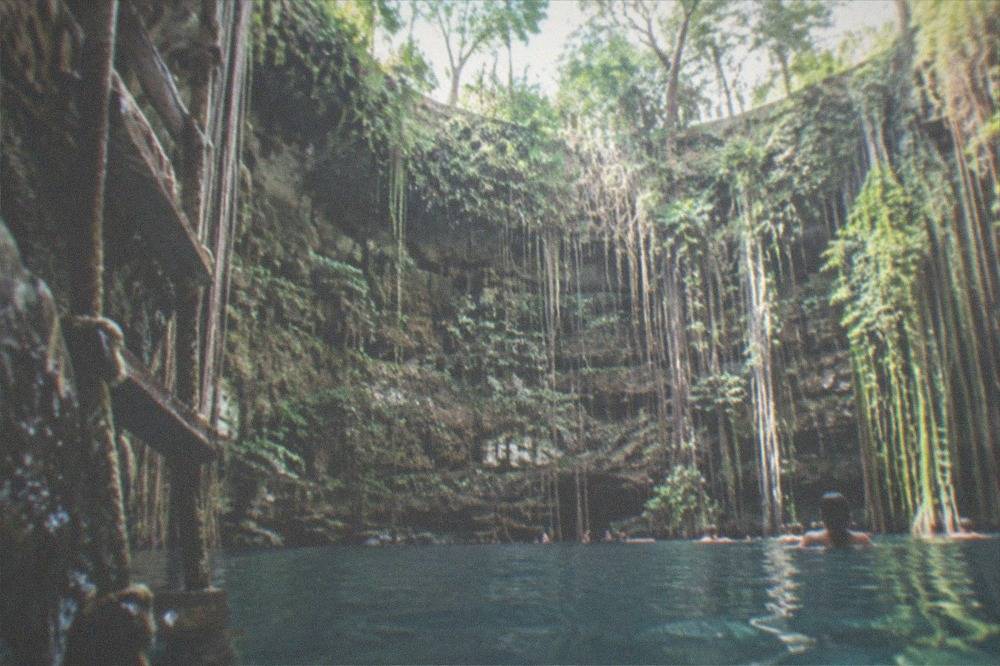
The mathematics of the day explain why organized tours dominate. Two long drives bracket a fixed window of 8:00 AM to 5:00 PM at the gate, and the difference between a 7:00 AM departure and a 9:00 AM one is the difference between an empty plaza and a queue at the pyramid. Early-access products exist precisely to convert that fact into an advantage. The Chichen Itza, Cenote Ik Kil, Coba Ruins Small Group Early Access Tour, rated 4.5 across 987 reviews and from $165, uses the small-group format to move fast at opening, then pairs the pyramid with a second Maya city and a swim at Ik Kil, the cenote next to the ruins.
The entry fee is its own piece of planning, because it is split across two windows at the gate. Foreign visitors pay a combined total of roughly 676 to 697 MXN, made up of an INAH federal portion of about 105 MXN and a Yucatan state portion of roughly 571 to 592 MXN, as reported in local fee coverage. Cash in pesos remains the most reliable way to pay, though cards are accepted. Note the pattern that trips up first-timers: many tour prices cover transport and guide but not entry, so check the inclusions line on the operator's live listing before assuming anything.
| Visitor | Typical combined entry |
|---|---|
| Foreign adult | Roughly 676-697 MXN |
| Mexican national with ID | Roughly 272-310 MXN |
| Children under 13 | Often free or reduced |
| Mexican nationals and residents, Sundays | Free with valid ID |
For travelers who prefer their logistics pre-solved, three options cover the spread of styles and budgets from Playa del Carmen:
Whatever you book, two small preparations pay off. Bring water, a hat and sunscreen, because the site is open, hot and mostly shadeless for the middle of the day. And go with the answer to this article's question in your pocket: the city you are walking through was Maya when the Aztecs were not yet a story, and it stayed Maya until the end.
Common Questions About Chichen Itza
Is Chichen Itza Mayan Or Aztec?
Chichen Itza is a Maya city. It was founded, built and ruled by Maya speakers in the northern Yucatan, and its peak came centuries before the Aztec empire existed in central Mexico. The Aztecs never controlled the site. The confusion comes from Toltec-style central Mexican influence in some of its later buildings, not from any Aztec construction.
Why Is Chichen Itza Linked To Central Mexico At All?
A group of later buildings, including El Castillo and the Temple of the Warriors, carry motifs familiar from Tula, the Toltec capital: serpent columns, warrior reliefs and reclining chac mool figures. Scholars debate whether a Toltec-influenced elite arrived or local Maya rulers simply imported a prestigious foreign style. The Aztecs, a later central Mexican power, had no part in either version of events.
Can You Climb The Pyramid At Chichen Itza?
No. Climbing has been prohibited since 2006 after a fatal accident, and the ban has been fully enforced since around 2008. A roughly 15-meter viewing distance was introduced around April 2025 for erosion protection, and the interior chambers remain closed. Violations can bring removal from the site, fines or legal action.
How Much Does It Cost To Enter Chichen Itza?
Foreign adults pay a combined total of roughly 676-697 MXN, split between an INAH federal fee of about 105 MXN and a Yucatan state fee of roughly 571-592 MXN, collected at separate windows. Mexican nationals pay roughly 272-310 MXN with ID, children under 13 are often free, and Sundays are free for Mexican nationals and residents. Check whether your tour price includes entry, since many cover transport and guide only.
Is Chichen Itza Ever Closed?
The site is open daily, 8:00 AM to 5:00 PM with last entry at 4:00 PM, including holidays. There was a temporary closure from mid-May until June 1, 2026, tied to disputes over the new visitor center, and access is now routed through that facility. Full details are in the article on [whether Chichen Itza is closed](/blog/is-chichen-itza-closed/).
What Is The Serpent Shadow At Chichen Itza?
On the equinoxes, around March 20-21 and September 21-23, the late afternoon sun casts a shadow on El Castillo's north staircase that reads as a serpent descending the pyramid, visible roughly 3:00 to 5:30 PM and peaking for 30 to 45 minutes. It is a designed effect honoring Kukulkan, the Maya feathered serpent deity, and it draws the year's biggest crowds.