Is Chichen Itza Closed?
No, Chichen Itza is open daily. Here is what actually closed in 2026, the current hours and entry fees, and how the temporary shutdown affects tours from Playa del Carmen.
Is Chichen Itza Closed?
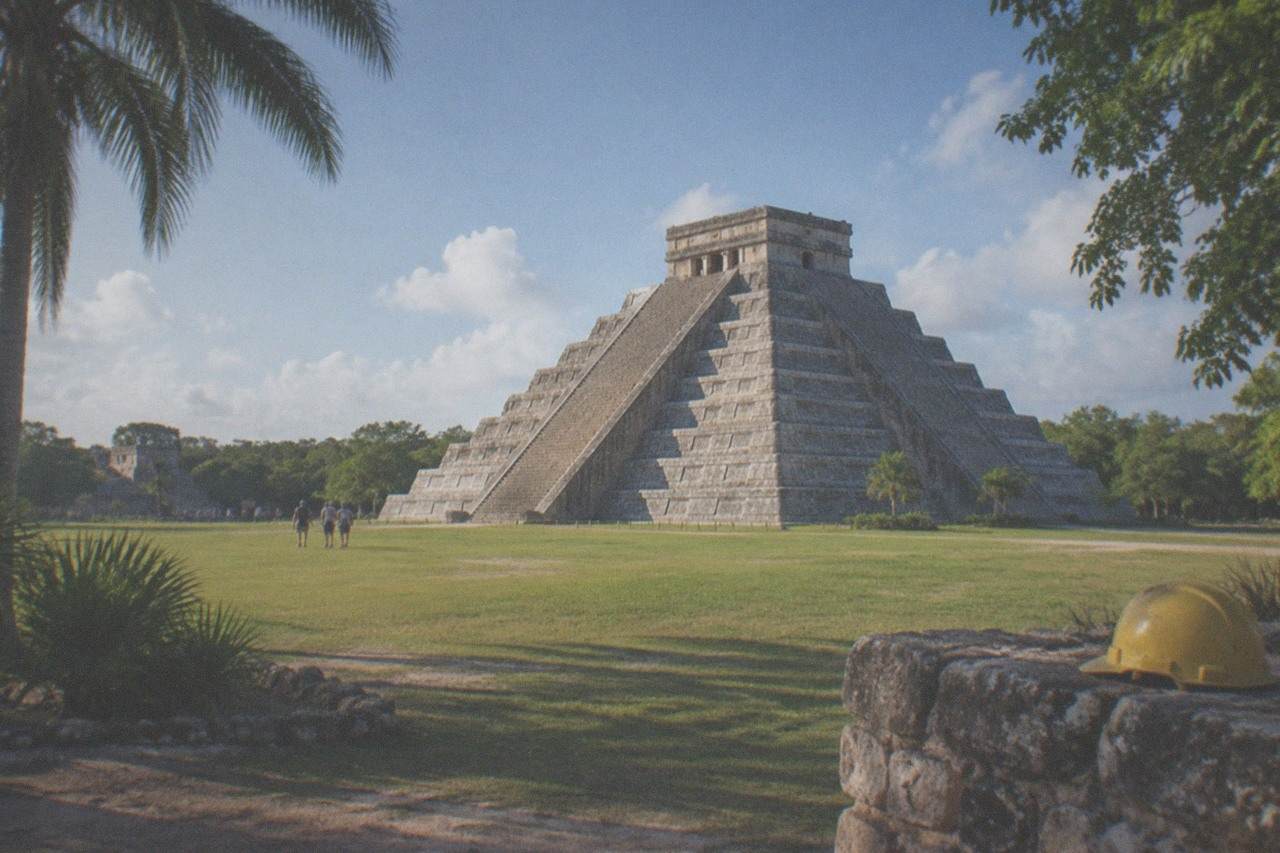
No, Chichen Itza is open. The archaeological zone operates every day of the year, including holidays, from 8 AM to 5 PM, with last entry at 4 PM. The site did temporarily close from mid-May until June 1, 2026 during a local dispute over a new visitor center, but that shutdown ended months ago and normal access has continued since.
That closure made real headlines, and a lot of travelers who read a headline in May never saw the reopening story in June. So the question keeps circulating, and the honest answer is longer than a yes or no. The ruins themselves were never damaged, condemned or decommissioned. What closed was access, and only for about six weeks, while vendors, artisans and guides negotiated with authorities over the new visitor facility on the site's perimeter.
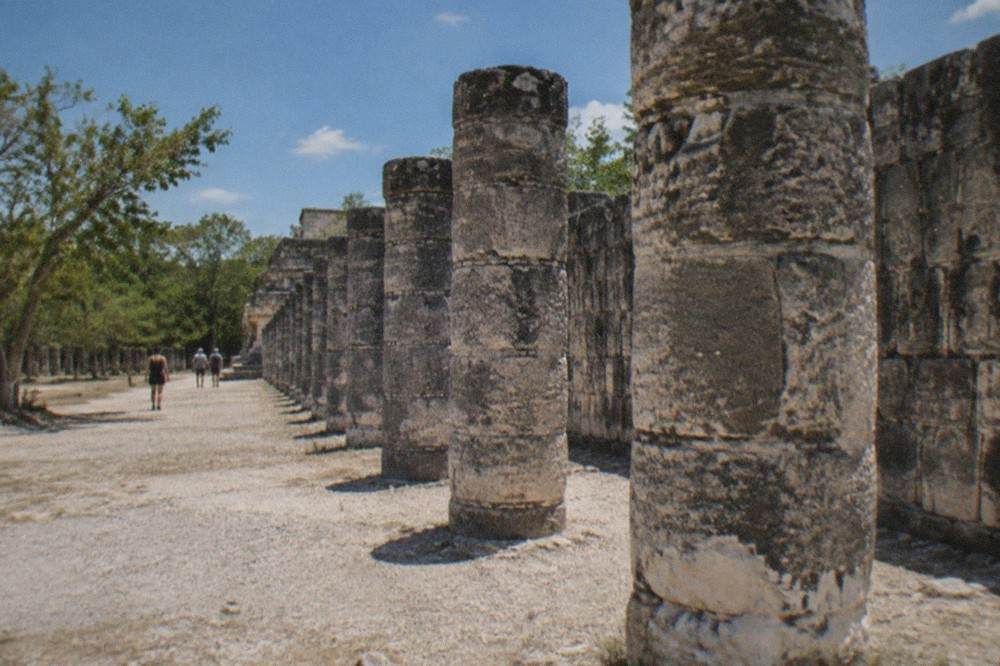
If you are planning a trip from the coast right now, the practical situation is straightforward. Tours from Playa del Carmen run daily, entry is being collected at separate federal and state windows as it always was, and the famous structures are all standing and viewable. A good overview of the full range of options lives in the Chichen Itza tours guide, which breaks down group tours, private trips and the cenote combinations that most first-time visitors actually end up booking.
Why Did Chichen Itza Close Temporarily In 2026?
Chichen Itza closed from mid-May until June 1, 2026 because of a dispute among vendors, artisans and guides tied to the new visitor center, known as CATVI, which was built as part of the Maya Train infrastructure project. The conflict was commercial and administrative, not structural, and the ruins were never at risk during the shutdown.
The CATVI facility changed how visitors physically enter the site. Access is now routed through the new building, and the ticketing flow was adjusted when the site reopened. Some vendors who had operated near the old entrances objected to the new arrangements, and the standoff escalated until federal and state authorities brokered a resolution. By June 1 the gates were open again.
This is worth understanding because it explains a pattern that repeats across Mexico's major archaeological sites. Closures are almost always about access, concessions or land disputes, not about the monuments. Tulum's nearby Xel-Ha archaeological zone, a separate ruin from the water park of the same name, spent much longer closed, roughly a year of restoration work, before reopening in July 2026 under a national conservation program. When a site "closes" in the Yucatan, it usually means a management story, and the stones themselves are fine.
The quieter crowds are a genuine silver lining for anyone visiting this season. Fewer tour buses means shorter lines at the entrance, more space on the walkways around El Castillo, and easier photographs at the Temple of the Warriors. For travelers who have hesitated because of headlines, this is arguably the best window in years to see the site comfortably.
What Are The Hours And Entry Fees At Chichen Itza Now?
The site opens daily at 8 AM and closes at 5 PM, with last entry at 4 PM and no re-entry on the same ticket. Foreign adults pay a combined total of roughly 676 to 697 MXN, split between an INAH federal fee of about 105 MXN and a Yucatan state fee of roughly 571 to 592 MXN, collected at two separate windows.
The fee rose on January 1, 2026, following the annual adjustment cycle, so older guidebooks and blog posts quoting lower figures are simply out of date. Mexican nationals pay roughly 272 to 310 MXN with valid ID, and Yucatan state residents often pay only the federal portion. Children under 13 are typically free or pay a small reduced rate, and Mexican citizens and residents enter free on Sundays with ID, which is exactly why Sundays are the most crowded day of the week.
| Who is visiting | Approximate combined entry cost | Notes |
|---|---|---|
| Foreign adult | 676-697 MXN | Paid at two windows, INAH plus state |
| Mexican national with ID | 272-310 MXN | Weekday rate |
| Yucatan state resident | ~105 MXN | Federal INAH portion only in most reports |
| Children under 13 | Free or ~105 MXN | Varies by age and current rules |
| Mexican nationals on Sunday | Free | With valid ID, crowds highest |
Cash in pesos is the most reliable way to pay, though cards are sometimes accepted. There is a separate evening light and sound show, Noches de Kukulcan, on select nights, and it requires its own ticket, so if you see the ruins by day you are not automatically covered for the show. The fee sourcing behind these figures, including the January 2026 adjustment, is reported by regional press citing the federal fee schedule.
One practical note for anyone booking a day tour: check whether entry is included in your tour price. Some listings bundle the ticket, others leave it for you to pay at the gate, and the difference matters when you are budgeting a family day out.
Why Can't You Climb The Pyramid At Chichen Itza?
Climbing El Castillo has been prohibited since 2006, following a fatal accident and preservation concerns, and the ban has been fully enforced across the site since about 2008. A roughly 15-meter viewing distance, introduced around April 2025, now keeps visitors even further back, with barriers, ropes and active patrols around the main structures.
This is not a temporary restriction and it is not new. A common misconception among first-time visitors is that the closure headlines of 2026 somehow relate to the pyramid itself, that maybe the structure is unsafe or undergoing restoration. It is not. El Castillo has been a look-only monument for two decades, and the interior, including the famous Red Jaguar Throne, remains closed to the public as well.
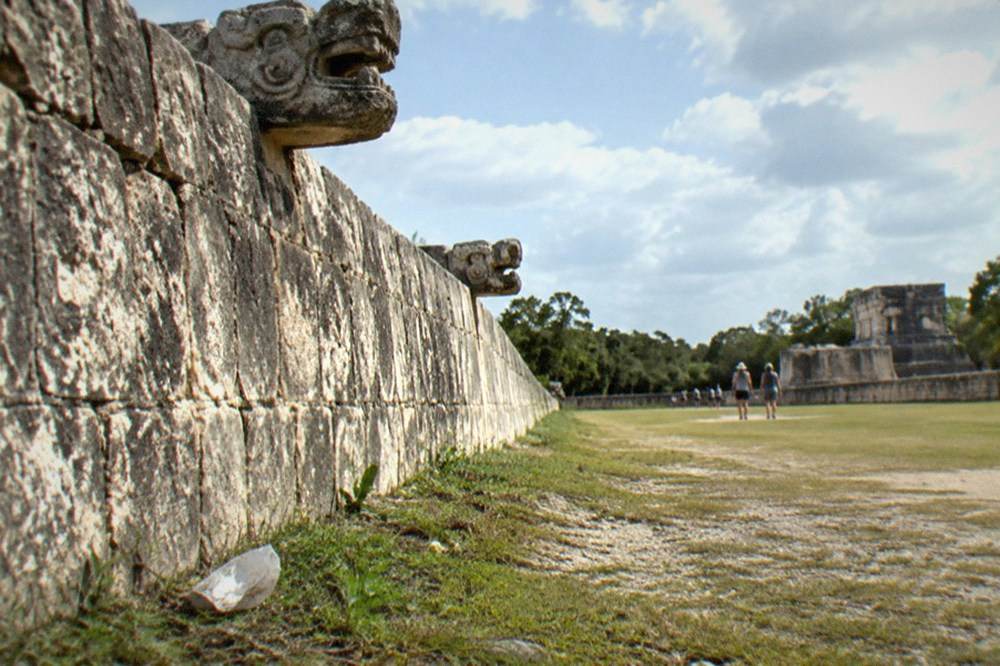
The rules extend beyond the pyramid. Visitors walk designated paths around the Temple of the Warriors, the ball court and the observatory, but entering most structures is barred. Recent equinox incidents, where visitors broke through barriers for photographs, led to reinforced enforcement rather than any relaxation. Violations can mean removal from the site, fines, or legal action, and security staff genuinely patrol.
The story behind the ban and the site's broader rules is covered in detail in why you can't go inside Chichen Itza, a question that comes up constantly on the walkways. The short version is preservation: hundreds of thousands of feet a year on a limestone staircase that has stood for over a millennium is a simple equation.
For many visitors, the no-climbing rule reframes how long to spend at the site. Two hours is a real question people ask, and the honest answer depends on whether you have a guide, whether it is hot, and whether you are combining the visit with a cenote stop. The two-hour question examined here breaks it down by itinerary style.
Is Chichen Itza Worth Visiting In 2026?
Yes, and 2026 is arguably a better year than most to go, because visitor numbers dropped 13.4 percent from January through August compared with the previous year. The site is fully open, the crowds are measurably thinner, and the famous structures, the pyramid, the ball court and the Temple of the Warriors, are all accessible on foot as normal.
A quieter Chichen Itza is not a diminished Chichen Itza. The drop in visitors follows a global pattern of Mexico's big ruins seeing softer demand this year, and it means the mid-morning crush that defines peak-season photos is thinner on ordinary weekdays. Arriving at opening, around 7:45 to 8 AM on a Tuesday or Wednesday, remains the single best way to see the site before the buses arrive from Cancun and the Riviera Maya.
Weather planning still matters. The dry season, roughly November through April, offers the most comfortable temperatures, typically highs of 28 to 32 degrees Celsius. The May-to-October rainy season brings highs of 33 to 38 plus afternoon showers and heavier humidity. The official Atlantic hurricane season runs June 1 through November 30 with peak activity from August to October, per NOAA's hurricane climatology, though a Chichen Itza day trip is inland enough that rain, not wind, is the realistic disruption.
The tours that pair Chichen Itza with a cenote and a second site have become the most popular way to spend the day from Playa del Carmen, because the drive is long enough that travelers want the day to count. The strongest review record on this site's roster belongs to exactly that format.
That early-access small group visits Chichen Itza before the main crowds, then continues to the Coba ruins and the Ik Kil cenote, carrying 4.5 from 987 reviews with prices from $165. It suits travelers who want one big day that answers the "is it worth it" question emphatically.
How Do You Get To Chichen Itza From Playa Del Carmen?
Chichen Itza sits about 182 km, or 113 miles, from Playa del Carmen via toll roads, and the drive takes roughly 2 to 2.5 hours one way under good conditions. Full-day guided tours from Playa del Carmen typically run 10 to 11 hours door to door, with hotel pickup around 7 to 8 AM and return by 5:30 to 6:30 PM.
The drive is the reason almost nobody treats Chichen Itza as a half-day trip. Between the round-trip road time, the entry process and the site itself, you are committing a full day. Organized tours absorb that by handling transport, guide and sometimes entry in one package, which is why they dominate. Private transfers and rental cars work too, and give you control over arrival time, but you will still want to be at the gate for the 8 AM opening to beat both the heat and the crowds.
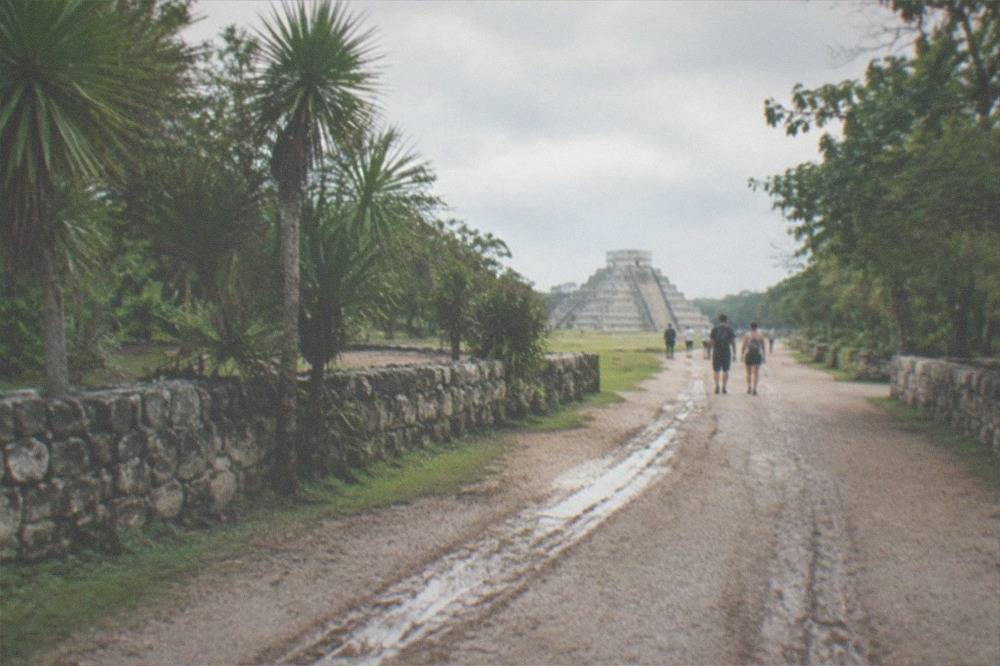
For budget-conscious travelers, a cheaper early-departure format exists. The early tour with an expert guide runs from $77 and carries 4.4 from 98 reviews, a smaller review pool than the big combination tours, but a solid option if you want the ruins themselves, explained well, without the cenote and second-site add-ons.
Whichever format you choose, book the day that gives you the earliest realistic pickup. The difference between arriving at 8 AM and arriving at 11 AM is the difference between photographing an empty great plaza and photographing a crowd, and in the rainy season it is often also the difference between a clear morning and a wet afternoon. Anyone weighing the full set of options can compare formats in the main Chichen Itza tour comparison, or read more from Tours in Playa del Carmen on planning the rest of a Riviera Maya week.
When Is The Best Time Of Day And Year To Visit?
Arrive at opening, by about 7:45 to 8 AM, on a Tuesday or Wednesday outside holiday weeks. November to April is the most comfortable season, with the ideal balance often in January, February or mid-November. Avoid the March and September equinoxes, Christmas, New Year, Easter week and Sundays, when Mexican nationals enter free and local turnout peaks.
The equinox deserves its own explanation, because it is the one date crowd advice that cuts both ways. Twice a year, around March 20-21 and September 21-23, the late-afternoon sun casts a serpent of triangular shadow down El Castillo's north staircase, visible for roughly 30 to 45 minutes in the 3 to 5 PM window. The spring date draws enormous crowds in dry-season weather. The September date produces the same effect with far fewer visitors, though cloud cover from the rainy season can obscure it, and the phenomenon is visible for several days on either side of the exact date.
Mid-morning through mid-afternoon, roughly 10 AM to 3 PM, is the peak congestion window on any day, driven by tour buses and cruise passengers from the coast. Late afternoon is the sleeper option: after 3 PM the groups thin out, the light turns golden across the ball court, and last entry at 4 PM still leaves a full hour inside.
Two small planning items round this out. The Quintana Roo visitor tax, VISITAX, applies to foreign visitors of all ages at roughly 283 MXN, paid online before departure through the official portal, and it is generally not bundled into airfare. And sunscreen matters at inland sites too: bring water, a hat and shade cover, because the site is almost entirely exposed limestone plain with little shelter from midday heat.
Common Questions About Chichen Itza
Is Chichen Itza Closed?
No. Chichen Itza is open daily year-round, including holidays, from 8 AM to 5 PM with last entry at 4 PM. The temporary closure that made headlines ran from mid-May to June 1, 2026, and the site has operated normally since.
Why did Chichen Itza close in May 2026?
A dispute among vendors, artisans and guides over the new CATVI visitor center, built alongside the Maya Train project, halted access from mid-May until June 1, 2026. The ruins were never damaged, and the shutdown ended with a negotiated reopening routed through the new facility.
Can you climb the pyramid at Chichen Itza?
No. Climbing El Castillo has been prohibited since 2006 and fully enforced since about 2008. Since April 2025 a roughly 15-meter viewing distance with barriers and patrols applies. The interior, including the Red Jaguar Throne, is also closed to the public.
How much does it cost to enter Chichen Itza?
Foreign adults pay a combined total of roughly 676 to 697 MXN, split between an INAH federal fee of about 105 MXN and a Yucatan state fee of roughly 571 to 592 MXN. Mexican nationals pay roughly 272 to 310 MXN with ID, and children under 13 are often free.
How far is Chichen Itza from Playa del Carmen?
About 182 km, or 113 miles, via toll roads, which takes roughly 2 to 2.5 hours one way. Full-day tours from Playa del Carmen typically run 10 to 11 hours door to door.
When is Chichen Itza most crowded?
Mid-morning to mid-afternoon, roughly 10 AM to 3 PM, on any day, plus Sundays when Mexican nationals enter free with ID. The spring equinox around March 20-21, Christmas, New Year and Easter week bring the largest surges of the year.